Blog
The Benefits of Gas-Ducted Heating Systems: A Smart and Affordable Choice

If you’re searching for a new central heating solution for your home, ducted gas heating stands out as a cost-effective and energy-efficient option. If you’re unfamiliar with ducted heating and cooling systems, they involve a centralized heat source that distributes warmth throughout the entire home using ducts. This method ensures efficient heating for the entire house and eliminates the need for multiple space heaters to warm individual rooms or areas. Now, let’s explore some of the advantages of switching to a gas-ducted heating system. When you’re ready to learn more, feel free to contact Rite Price Heating & Cooling at 1-300-HEATING. Our team of home heating experts is eager to assist you. Gas Ducted Heating Systems: Consistent Efficiency in All Weather Efficiency is crucial when choosing a heating solution, and gas-ducted heating machines excel in this aspect. One of their significant advantages is their ability to maintain consistent heating output, regardless of the outdoor temperature. Unlike reverse cycle heaters which become less efficient as temperatures drop, gas heaters retain their heat generation capacity. This directly translates to increased savings for homeowners, particularly during harsh winter conditions when heating systems are frequently used to combat the cold. It’s important to consider the implications of efficiency when it comes to heating. For each percentage of efficiency lost, you essentially end up spending an equivalent amount to maintain the same level of heat. In freezing conditions, a reverse cycle heater may lose more than 20-30% of its total efficiency. This means that to keep your home warm, you’ll be spending more money just to maintain the desired temperature. Ducted gas heating eliminates this extra expense, making it particularly worthwhile for those living in colder climates. How Whole Home Heating provides more efficiency and more comfort? Did you know that heating your entire home to a consistent temperature not only provides comfort but also saves energy? When you rely on space heaters or electric baseboards, they only radiate heat in a limited area. However, physics dictates that this heat will disperse quickly and lose its effectiveness in open spaces. In contrast, a gas heating solution delivers warm air to every room in your home, ensuring consistent circulation and temperature. Once the desired temperature is reached, significantly less energy is required to maintain it, eliminating the inefficiency of heating small areas individually. Choosing a whole home heating appliance that’s efficient doesn’t just provide comfort; it also benefits the environment and your finances. According to the Australian Gas Association, using electric heating appliances in a home can generate up to 300% more carbon and greenhouse gas emissions compared to a ducted gas heating system. Additionally, the Sustainable Energy Authority in Victoria estimates that homeowners who opt for ducted gas heating can save at least $300 annually compared to using inefficient electric room or space heaters. The Surprising Truth About Electricity and Gas Prices in Many Regions Electricity prices are increasing at a faster rate than gas prices in many areas. While the efficiency of the heating unit is important, the cost of the energy it uses has a significant impact on its overall operating cost in the long run. Energy prices can be unpredictable, regardless of the fuel type or source. However, it’s worth noting that electricity prices are rising more rapidly than natural gas prices in several parts of Australia. Various factors influence the energy costs for your home, so it’s essential to carefully consider your options to make the right decision. Additionally, it’s important to be aware that some electricity retailers in Australia still rely on coal-fired power plants. These plants are under scrutiny for environmental reasons, and if they are closed down, electricity rates could increase significantly. On the other hand, ducted heating Adelaide use clean-burning natural gas, which produces two-thirds less carbon pollution compared to electricity for the same amount of heat. You Might Be Eligible for Government Support An additional advantage of choosing ducted gas heating Adelaide is that you could qualify for government subsidies or tax credits to help cover the installation costs. Many Australian governments now offer incentives to individuals and families who transition from high-emission wood heaters to more environmentally friendly gas-ducted heating systems. In South Australia, the Residential Energy Efficiency Scheme (REES) has gained significant popularity. If you reside in a qualifying household, you can request a REES Energy Audit from your energy retailer or provider. This audit will determine if you meet the requirements for any incentives, including those that can support the installation of a gas-ducted heating solution. For those in the Adelaide area, the Rite Price Heating & Cooling team is available to provide further information about REES and its benefits. To learn more, please contact us at 1 300 HEATING. If you’ve come this far, it’s evident that gas-ducted heating is an energy and cost-effective method to warm your home. Talk to your friends, family, and neighbors to find out if any of them have already switched to a gas-ducted heating system. Ask them about their reasons for choosing gas and the benefits they have experienced. When you’re ready to explore ducted gas heating and receive a free price quote for a customized system for your home, simply call Rite Price Heating & Cooling at 1 300 HEATING, and we’ll assist you with all the necessary arrangements.
Read MoreHow to Save Money on Ducted Gas Heating: 4 Essential Tips You Need to Know

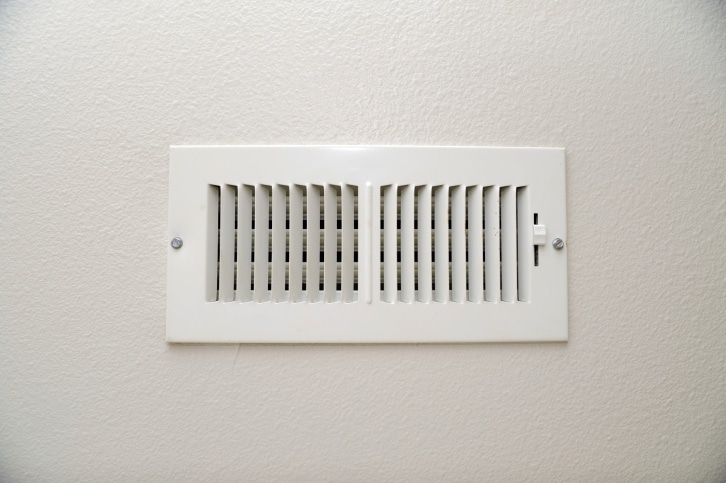
Whether you’re in the market for a new heating system or simply researching your options, it’s important to consider the running costs of ducted gas heating. Gas heaters have gained widespread popularity across Australia due to their high-efficiency ratings, lower operating costs compared to electric or wood-fired heaters, and environmentally-friendly nature. At Rite Price Heating & Cooling, we take pride in offering a range of ducted heating solutions. Here are a few key points to consider when making a heating decision: It is highly efficient, ensuring effective heat distribution throughout your home. It provides cost savings compared to other heating options, reducing your overall energy expenses. It is environmentally friendly, with lower carbon emissions compared to other heating methods. If you have any questions or would like a price quote, our heating professionals are ready to assist you. Feel free to contact us at 1-300-HEATING. How Ducted Gas Heating is an Energy-Efficient Choice? In Australia, we have the privilege of accessing energy-efficient ducted gas heating systems from Seeley International, a global leader in this field. The efficiency of a gas heater is measured by how much of the gas is converted into heat, and a star-rating system simplifies this assessment. Seeley’s Braemar gas heating range proudly offers a ‘six-star’ heater, the world’s first gas heater to achieve this remarkable efficiency rating. As a result, the company has received numerous sustainability awards, including the prestigious 2013 Sydney Design Award for product design. If you prioritize energy efficiency, ducted gas heating should undoubtedly be your top choice. Keep Registers Clear for Efficient Heating One of the advantages of ducted heating Adelaide compared to space heaters is the efficient distribution of warm air to different rooms through ducts. During installation, vents or “registers” are placed at the end of the ducts to release warm air into the rooms. Since these registers are the only way for air to enter and circulate, it’s important to keep them clear of furniture and other objects to ensure optimal functionality. Leaving at least 15 centimeters of clearance around a register allows the warmed air to escape and rise into the room. Natural air currents and convection within your home will assist in proper air circulation. Ducted Gas Heating: A Greener Choice When incorporated into an efficient system, ducted gas heating Adelaide stands out as one of the most environmentally friendly methods of heating for your home. Wood-fired heaters generate a significant amount of carbon pollution for the heat they provide, and their efficiency is diminished as they typically only heat a small area. Electric heaters are a step up from wood, but they face similar challenges with lower efficiency and reliance on electricity often sourced from coal-fired power plants that contribute to soot and carbon pollution in distant parts of the country. To illustrate the eco-friendliness of ducted gas heating, let’s consider an example. Braemar’s six-star gas heater, for instance, uses 30% less energy and produces approximately 1.6 fewer tonnes of carbon pollution per year compared to an older three-star solution. For those who prioritize environmental sustainability, few home heating systems can match the advantages of ducted gas heating. Regular Maintenance for Optimal Performance One crucial factor to consider is the need for regular maintenance to ensure your heating system operates at its best. To achieve peak efficiency and long-term performance, it’s important to schedule professional maintenance regularly. As a homeowner, this requires minimal effort on your part. Simply arrange a maintenance appointment at your convenience, and our skilled professionals will tune up your system to ensure it operates at its full potential. Remember the saying, “prevention is better than cure,” which applies to your heating system as well. At Rite Price Heating & Cooling, we take pride in offering a wide range of ducted gas heating solutions suitable for homes of all sizes. For a complimentary price quote and expert advice on the ideal gas heating solution for your needs, visit one of our retail locations in Adelaide (addresses listed below) or call us at 1 300 HEATING at your convenience. We’re here to assist you. Thank you for choosing Rite Price Heating & Cooling!
Read MoreOur Look at the Best Combination Heating and Cooling Air Conditioning Units, Fit for Every Home and Lifestyle
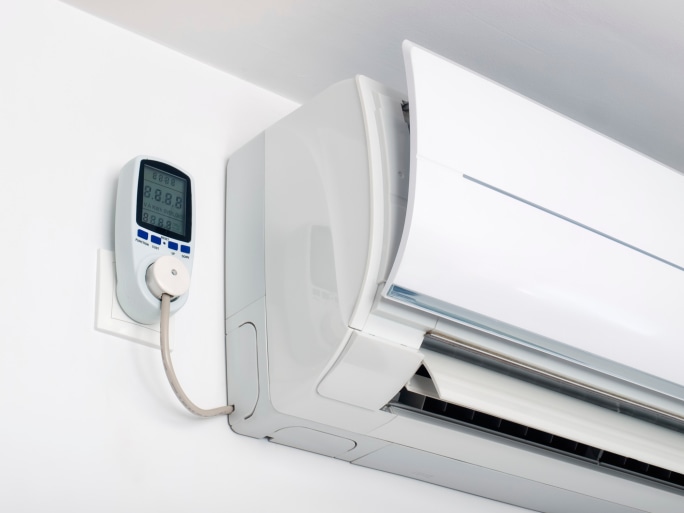
When the Heat Hits, Choose Smart When hot months arrive in Australia, most homeowners focus on staying cool and comfortable with a reliable air conditioning unit.Many air conditioning units today are both powerful and functional, with a variety of models and sizes to suit any home.Choosing a model that also heats your home gives you year-round use and better value from your investment.Here’s a quick guide to combination heating and cooling air conditioners that fit various budgets, needs, and home sizes. In-The-Window Heating and Cooling: LG Heat, Cool Window Air Conditioner (Model LW2410HR) LG offers a combo heater and air conditioner that fits directly into your window frame for instant seasonal comfort.The LG Heat, Cool Window Air Conditioner is budget-friendly and can be easily moved to different rooms if needed.This model has multiple fan speeds, four-way airflow, and a convenient remote control for easy operation.Features include a 12-hour on/off timer and an energy-saving mode to reduce running costs and power usage.Backed by a 5-year warranty, this unit is great for small spaces and homeowners wanting year-round, affordable comfort.It’s especially popular for bedrooms, combining quiet operation with powerful heating and cooling performance. Easy-To-Install Efficiency: LG Portable Air Conditioning Cooling & Heating (Model LP1414SHR) Prefer portability? The LG Portable Cooling & Heating Unit is ideal for people needing flexibility in home climate control.It heats and cools areas up to 600 square feet with efficient airflow and effective temperature management.Setup is simple—just plug it in and enjoy climate control without the hassle of permanent installation.The dehumidifier function helps regulate indoor humidity while mixing dry and warm air for balanced indoor comfort.It features an oscillating vent, a sleek LCD panel, and an energy saver mode for added environmental value.This portable model looks stylish and works well in bedrooms, studies, or common areas. Functional and Hidden: Friedrich Small Breeze Mini Split Air Conditioner (Model BR0412W1A) Want to save space and keep your window open? Choose the Friedrich Small Breeze Mini Split Air Conditioner.This unit mounts high on your wall and stays out of the way while providing strong heating and cooling.It’s ideal for bedrooms or living rooms where quiet, unobtrusive performance matters most.Installation is simple, and the unit is lightweight and easily transportable if you move homes.Although more expensive than window units, it delivers quiet, efficient operation in a sleek, minimalist form.Its discreet design makes it a popular choice for second floors or converted rooms needing consistent airflow. Portable Affordability: Haier Portable Cool/Heat Air Conditioner (Model HPN12XHM) Looking for a more affordable portable unit? Check out the Haier Portable Cool/Heat Air Conditioner for reliable year-round comfort.This Energy Star-rated 12,000 BTU model cools and heats with three speed settings and an easy-to-read digital control panel.It comes with a simple window exhaust kit and offers fast setup with no special installation needed.The remote control adds convenience, and the moisture removal feature helps manage dampness in humid conditions.With a modern black-and-silver design, it fits easily into most home décor styles without looking bulky or outdated. Choose the Right Combination Unit With so many combination heating and cooling systems available, picking the right one can feel overwhelming.Start by identifying your budget, space requirements, and which rooms need the most climate control.Read reviews, compare warranties, and look for energy-saving features to reduce your long-term operating costs.Choosing wisely now means year-round comfort, lower bills, and fewer regrets later.For more options and expert advice, visit Rite Price Heating & Cooling.
Read MoreGreen Savings: How the New Energy-Efficient Cooling and Heating Systems Can Help You Save Money
One of the Biggest Costs Maintaining a comfortable indoor temperature is one of the biggest ongoing expenses in most Australian households today.Heating and cooling consume large amounts of electricity and fossil fuels, increasing utility costs and environmental impact.Modern, energy-efficient systems help lower these costs, offering homeowners smart options for upgrading their home’s climate control. Energy-Efficient Heating Systems Heating accounts for nearly 50% of home energy use, creating opportunities to save by installing more energy-efficient heating systems.A Victorian Government report found efficient gas heaters can save up to $280 yearly and cut emissions by two tonnes.Gas heating avoids electricity from coal-fired plants, making it a greener choice with rising electricity costs.New ducted gas systems now achieve six-star efficiency, offering consistent comfort even in cold weather and reduced energy bills.Non-condensing five-star models don’t need draining, making them easier and cheaper to maintain.Wall furnaces are compact, efficient (up to 4.8 stars), and heat two rooms when paired with a rear register kit.Gas log heaters offer a fireplace aesthetic while efficiently warming living areas with up to 5.1-star ratings. Energy-Efficient Air Conditioning Systems Evaporative cooling uses hot air passed over moist pads, cooling via evaporation with minimal electricity use.Only pumps and fans need power, unlike refrigeration-based systems which rely on energy-hungry compressors.Evaporative systems can be up to 50% cheaper to install and cost just one-eighth as much to operate.Refrigerated systems are improving, with reverse cycle technology offering better energy control and compressor efficiency.Modern systems range from three to six stars; choosing higher-rated units improves performance and reduces electricity bills. Five- and Six-Star Heating and Cooling Star ratings measure how much input energy is converted into usable heating or cooling output.Each star typically represents a 10–15% boost in efficiency, moving closer to 100% energy conversion.Gas systems now achieve five-star or six-star ratings, offering superior performance and reduced environmental impact. Easy Programming, Installation, and Maintenance Reduce Operating Costs Computerised controls direct specific amounts of heated or cooled air into designated rooms, improving efficiency.Timers and temperature settings reduce unnecessary usage, keeping energy bills low without sacrificing comfort.Choosing smaller non-condensing heaters reduces installation costs compared to larger ducted systems.Evaporative coolers are cheaper to install than refrigerated systems and need fewer technical components.Selecting the right system size avoids overspending on installation and prevents future energy waste.Simple maintenance ensures optimal performance and efficiency over time.Non-condensing gas heaters require no drainage, easing upkeep for homeowners.Evaporative systems only need functioning water pumps and clean pads to operate efficiently.Refrigerated systems require refrigerant refills and have more parts, increasing upkeep costs. Final Thoughts Always check the star efficiency rating when comparing heating and cooling systems.Easier-to-install and maintain units reduce energy usage and long-term costs.Choosing the most energy-efficient model helps your home reduce carbon footprint while saving money.For more info on cooling, visit our evaporative cooling page.
Read MoreThe Five Wonders of Ducted Heating That Will Make Your Home Feel Like Heaven
As a New Homeowner As a new homeowner, you’re on a journey to make smart choices for home improvements, including your heating system.Creating a blissful home starts with selecting a system that suits your space, lifestyle, and energy preferences.Understanding heating options—like comparing ducted gas heating with electric systems—helps ensure long-term comfort and satisfaction.Before making your final choice, consider these five magical features that make ducted heating a standout solution. Gas: An Affordable Alternative to Increasing Electricity Prices Electricity prices continue rising across Australia, so choosing the right energy source can significantly impact your household budget.Ducted gas heating offers a cost-effective alternative that helps lower your monthly energy bills.While mortgage payments are fixed, your heating solution is something you can control and optimise.Choosing ducted heating Adelaide means enjoying warmer spaces and monthly savings at the same time.This smart investment adds a little financial magic to your everyday life. Efficiency: Ensuring Warmth in the Coldest Storms for a Cozy Home Your goal is to stay warm—especially during the harshest weather.Unlike reverse cycle units, gas systems don’t lose power when temperatures drop.Ducted gas heating keeps performing even in freezing conditions, making it ideal for Australian winters.You won’t feel the cold creeping in—just steady, reliable heat that fills every room.This consistent performance makes your home cozy, no matter the storm outside. Comfort: Quick and Moisturizing Warmth Some heaters take time to warm a room and leave dry air behind.Gas heating systems, however, provide fast and comfortable warmth without drying out your eyes or skin.Say goodbye to dry winter discomfort and hello to soothing, humidified heat throughout your home.Your body will thank you for the gentle and effective warmth a ducted gas heater delivers instantly. Eco-Friendly: Reducing Harmful Emissions We all have a responsibility to protect the environment through our daily choices.Heating systems are major energy consumers, making them a key area for reducing your carbon footprint.Ducted gas heating produces significantly fewer emissions than electric systems powered by coal.According to the Australian Gas Association, gas heaters reduce emissions by two-thirds.Choosing gas helps you contribute to a cleaner, greener world every winter. Whole-House Warmth: Cozy Heat for Every Corner Ducted gas heaters distribute heat through floor or ceiling vents for a clean and balanced warmth.The main system is tucked away, saving space and keeping your home’s design uninterrupted.Each room receives consistent, even heat—no more cold spots or layering up indoors.From corner to corner, your entire home becomes a warm, welcoming space for family and guests alike. Now that you know the benefits of ducted gas heating, you can choose confidently and create a magical space.Whether you want to save money, protect the environment, or improve your comfort, ducted heating delivers real value.Contact Rite Price Heating & Cooling to discover your perfect system and bring warmth to every corner of your home.
Read MoreTips and Tricks to Optimize Your Heating System and Avoid Waste

Home energy costs make up nearly 50% of homeowners’ yearly expenses. It is crucial to take advantage of every opportunity to lower these costs. Installing energy-efficient systems can help reduce overall energy expenses. The key is to choose a system that suits your home’s specific needs. Additionally, there are simple fixes you can implement right away to see immediate results. It’s important to keep heat from escaping from your home and use it efficiently. Remember the saying “waste not, want not.” So, when considering either a complete system installation or improving heating system management to cut energy costs, keep this list of options in mind. Selecting an Efficient and Effective System What is the size of the area to be heated? Does your home have an open plan or is it riddled with rooms with doors? Traditional furnace heaters can be inefficient and costly, but there are several options to help unburden the reliance on this older equipment. Considerations for Area Size and Layout: Determine the size of the area that needs to be heated. Assess if your home has an open plan or multiple rooms with doors. Reducing Reliance on Traditional Furnace Heaters: Traditional furnace heaters can be inefficient and costly. Explore alternative options to reduce dependence on older equipment. Consider a heat pump system that works with your existing furnace. A heat pump draws warm air from outside, providing maximum heating with less energy consumption. Insulation Upgrades for Heat Efficiency: Insulation upgrades may be recommended during an inspection. Pay attention to areas around vent pipes and joints, which can lead to heat waste. Enhancing Heating in Rooms with Doors: A heat pump unit can improve heating in rooms with doors. It moves warm air from one area to another in your home. This prevents overheating in unnecessary areas and ensures even warmth throughout the house. The Impact of Installation and Maintenance on Efficiency If units are not installed properly, it can decrease the system’s efficiency by as much as 30%. This may shorten the equipment’s lifespan and lead to higher power consumption, resulting in increased yearly energy costs. It is advisable to perform regular maintenance on the unit each year to ensure its proper functioning. This includes cleaning the filter and having a qualified contractor inspect it. Just like you would get quarterly oil changes and inspections for your vehicle, your heating and cooling system also requires the same level of care and attention. Insulation and Sealing Ducts for Better Results The ducted heating in your home is responsible for distributing both hot and cold air. If they are not properly sealed and insulated, you could lose around 20% of the air through cracks and gaps in the ductwork. A good place to start addressing this issue is in the attic. Usually, in unconditioned spaces like the attic, garage, or crawlspaces, a significant amount of air and energy is lost during extreme hot or cold weather. By giving proper attention and insulating these areas, you can make a notable impact on your energy bill. If you’ve noticed that certain rooms in your house are difficult to heat or cool, or if they feel stuffy and uncomfortable, it might be due to poor duct sealing. Some homeowners take on this project themselves, but it’s important to be careful when working on the connections at vents and registers where they meet the floors, walls, and ceiling, as these are common areas for ductwork damage or disconnection. Using long-lasting sealant materials is recommended instead of duct tape, which is not as durable. Efficient Heating through Smart Choices Saving Fuel Consumption by Selectively Heating Save on fuel consumption by not heating unused areas of your home. If you decide to “shut out” a room, make sure to seal it properly by closing vents and insulating it from the rest of the house. Remember to provide some warmth to pipes in the walls to prevent freezing and bursting in extremely cold temperatures. Finding the Right Balance for Efficiency An unbalanced system can strain your heating equipment. Consult a specialist to achieve the optimal balance between comfort and efficiency. Installing a programmable thermostat is a simple way to conserve energy. A programmable thermostat automatically adjusts heat levels and distribution, reducing wasteful energy usage. Whether you choose to take small steps with home projects or upgrade your entire ducted gas heating system, consult Rite Price Heating and Cooling’s energy specialist who can assist you throughout the process. By considering your specific heating needs, you can ensure the maximum benefits from your appliance, eliminating wasteful heating and unnecessary expenses.
Read MoreDual Heating and Cooling Systems: Enjoy the Comfort of Both Without Breaking the Bank
Were you aware that heating and cooling systems account for almost half of all residential expenses? And depending on the nature of the weather enjoyed here in Adelaide, these expenses can easily rise due to the extreme heat that residents face. As such, it is in your best interest to find the most efficient dual heating and cooling system that you can afford, as this will affect the cost of energy consumption over the course of your home’s life. Switching from an electric furnace to an all-electric air-source heat pump can reduce your heating and cooling costs by up to 50 per cent. Why a Heat Pump Reduces Costs The reason that dual heating and cooling systems are invaluable is due to the use of an energy-efficient heat pump. This electrical device can extract heat from one place and transfer it to another area in your home. As well, it efficiently uses the outside air for maximum heating benefits in colder months. It operates on the same principle as your refrigerator. By using a circulating refrigerant, it helps to absorb and transport heat. In conjunction with the reversing valve, the pump can be used alternatively between heating and cooling. One system can do both jobs, and, in conjunction with your existing furnace, it can bear more of the load of traditional electric systems. Factors That Affect Heat Pump Efficiency It’s essential to get a heat pump system correctly sized and matched to your home’s specific needs.An improperly balanced system adds unnecessary wear and reduces long-term performance.Severe climates can affect energy use and system efficiency more than you might expect.Local electricity and fuel prices also impact overall operating costs.The type and quality of the heat pump you purchase largely determine your costs.Still, you may not need the most expensive or powerful model for your home.Consult a specialist to understand your heating and cooling needs and expectations.They will assess your home’s size, location, and comfort requirements. Getting a System Tailored to Your Needs Choose a heat pump with the highest HSPF (Heating Seasonal Performance Factor) your budget allows.Minimising defrost cycles helps improve efficiency since system reversals consume significant energy.Avoid choosing a heat pump sized only for cooling—it may overwork and wear out during summer months.Instead, select a unit that meets both your heating and cooling demands year-round.Year-round efficiency and durability should be priorities when investing in any heating system.Specialists help you evaluate upfront expenses like purchase and installation versus long-term energy use.This ensures your system fits your home’s layout, climate, and lifestyle needs perfectly.Finding the right balance means saving energy while staying comfortable in every season.
Read MoreWall Split System Air Conditioning? 4 Tips to Help You Choose Between Wall-Mounted and Floor-Standing
Choosing between a wall split system air conditioning system and a floor-standing split system air conditioning system might be a bit difficult. There are a few things you should keep in mind in order to get the one that’s best suited for your home. Let’s have a look at four aspects that will help you make a decision. Have a Small Place? Get the Wall-Mounted Unit If you have a small place, the last thing you need is a floor-standing piece taking up needed space. The floor-standing piece would become a nuisance, because it would end up being in your way far too much. In addition, it would probably have a negative aesthetic impact. That’s because when it comes to a smaller space, you can’t really compensate in terms of decoration so as to take focus away from the floor-standing piece. Wall-mounted pieces, however, take away all that concern. They blend in nicely with the room. At the same time, they don’t take away valuable space. This makes wall-mounted systems better for small places. Need Quick Access? Go for Floor-Standing If you have an elderly person living in your house, or if you simply want to be able to reach the unit quickly, get a floor-standing system. As it will be situated right on the floor, or even semi-recessed onto a wall, this type will allow for fast access. Not only that, but it will also be a lot safer to work with. Reaching up to wall-mounted units will involve a bit of danger. This is especially true for the elderly, but even for everyone else, since there is the risk of falling down. A floor-standing unit takes away that issue by allowing you to reach it comfortably and safely. Neat Freak? A Wall-Mounted Unit’s Your Best Bet Wall-mounted units come with the benefit of being easier to clean. It might sound counter-intuitive, since they’re placed up on the wall where access is limited. However, to make up for that, wall-mounted pieces offer features that are easy to clean thoroughly. The panels come with a smooth flat surface that can be wiped clean in the blink of an eye. If you’d like to clean it on the inside, the flat panel can be taken out quite easily. Have an Unused Fireplace? A Floor-Standing Unit Is Just What You Need When it comes to decorating your place, even the smallest details can be extremely important. Despite the fact that floor-standing units are not very appealing from an aesthetic perspective, there are some things you can do to guarantee the unit blends in with your décor . If you have a fireplace that you are not using, consider using it for something creative. Putting your split heating system unit in will help you save space. Not only that, but it will also ensure that the unit blends in nicely with the rest of the space. When it comes to choosing between wall-mounted and floor-standing units, it’s all about the space you have to work with. In addition, you should take into consideration the people that will be using it. As long as you pay attention to these things, you’re bound to make the best decision possible. Split System Heating Issues – What You Need To Know Have you been considering split system heating for your home? Before you make this decision, you should make sure that you know all the split system heating issues. This includes any key issues that might come up with this type of heating system. By learning more about the key issues, you will be able to find out if this type of system is right for you. What is Split System Heating? Before you get a split system heating system, it is important that you know what this type of system is. These are ductless systems that can be added to homes that don’t have a built-in duct system and are heated with space heaters or another heating method. Often these split systems will also be a good choice when you add onto your home or if you don’t require a full heating system. A split heating system has two main parts, an outdoor condenser and an indoor unit that does air-handling. The two parts are connected by a conduit that holds a power cable, tubing and condensate drain. These are small systems, can be spread throughout the home and you can adjust each part of the system individually. These split system air conditioning are energy efficient, easy to install and are flexible, so you can choose the type of split heating system that meets your needs. What You Should Know About Split System Heating Split systems offer major benefits, but there are also some important factors to consider before choosing this heating solution.Installation costs for split systems are often higher than other types of home heating systems.This upfront cost may lead some homeowners to consider alternative options.However, split systems typically have lower running costs over time, helping to balance the initial expense.Many government rebates or incentives are available for energy-efficient systems, making them more financially appealing.These savings can offset the higher upfront investment, especially over years of use. Proper Installation Is Critical Installation quality plays a major role in performance and efficiency.The indoor unit must be correctly sized and properly positioned for optimal operation.Oversized systems or poor placement can lead to short cycling, wasting energy and increasing costs.Short cycling also prevents proper temperature control and dehumidification inside your home.If your system is too powerful, you’re paying for capacity you won’t use.Always consult an expert to ensure your system is the right size and setup. Aesthetic Considerations and Space Planning Some homeowners don’t like the indoor component’s appearance.Though less intrusive than window units, it’s still visible and difficult to completely hide.Outdoor units also need attention—they require a nearby drain to manage condensation properly.Proper planning ensures the unit fits your space and doesn’t disrupt your home’s visual appeal. Choose Qualified Installers and Service Providers Finding a qualified split system installer may be challenging…
Read MoreGas Is Easier Than Ever With the South Australian Gas Rebate – How Much Can You Get Back?

Gas Rebate for Low-Income Earners in South Australia If you’re a low-income earner in South Australia, you might qualify for the gas rebate on a new hot water system.The SA Government Solar Hot Water Rebate Scheme began in July 2008 to promote energy-efficient hot water installations.Thousands of homeowners have upgraded to gas, heat pump, or solar systems that meet new performance standards.These systems save energy and lower bills, offering a rebate plus long-term cost savings.If you’re thinking about gas heating, the rebate can make your upgrade more affordable and eco-friendly. Details of the Rebate The South Australian government offers a $500 rebate to eligible applicants meeting specific requirements.You must own your home and install a complying gas solar water heater in a new or renovated property.Alternatively, replacing your existing hot water system with an approved model also qualifies.If natural gas is unavailable in your area, electric solar or heat pump systems may still be eligible.The gas solar heater must serve your principal place of residence.You must also hold a valid concession card to qualify for the rebate.Eligible cards include the Centrelink Health Care Card, DVA Gold Card, and the Centrelink Pensioner Concession Card. Why You Should Replace Your Current Water Heater Older electric water heaters are inefficient and cost more to operate than gas solar alternatives.Around 30% of home energy usage comes from electric water heating.Though replacements require investment, rebates and bill reductions help recover costs quickly.Gas solar heaters reduce your carbon footprint and cut long-term utility costs.You can help the environment and save money with one smart upgrade. Act Fast to Receive Your Rebate SA government rebates are limited and only available through participating suppliers until August 31st, 2014.With this deadline approaching, now is the time to switch to gas solar hot water.Upcoming regulations may also ban electric storage water heater installations.Don’t wait—secure your $500 rebate and start saving on energy bills today.Make your Adelaide home more efficient and sustainable while incentives are still available. Six Reasons Your Heater Should Have a Six Star Rating (and Examples of Models That Do) Safety: For Your Family and Your Home Six star heaters include the latest technology to prevent malfunctions and ensure safety for your home and loved ones.Less risk means greater peace of mind and long-term performance reliability. Sustainability: Better for the Environment Higher star ratings reduce carbon emissions and improve sustainability.Six star heaters convert almost 100% of gas into heat, minimising waste.Seeley International’s Braemar range is a prime example of this sustainable innovation. Savings: Lower Cost to Run Each extra star means 10–15% energy savings compared to lower-rated models.Six star heaters like the Brivis StarPro Series can save up to 30% annually.Lower energy use leads to noticeable monthly bill reductions. Government Subsidy: Energy Efficient Homes Australia supports energy-efficient homes with subsidies for six star systems, helping reduce national greenhouse gas emissions.Depending on your location, you could receive additional financial support for upgrading. Efficiency: They Work Better Six star heaters warm your home faster and more effectively than older, lower-rated systems.Better performance means more comfort with less energy consumption. Regulations: Be Ahead of the Curve Since 2003, Australia’s building codes have pushed for higher energy efficiency standards in homes.By 2011, six star became the minimum standard for new buildings in most regions.Future regulations may require all homes to meet six star efficiency.Stay ahead of legal changes and ensure compliance now rather than later. Choosing a six star heater benefits your household, your wallet, and the environment.It’s also a smart selling feature if you ever move.Make a future-ready choice and invest in energy efficiency now—with more stars and fewer regrets! Ready to upgrade to an energy-efficient heating or hot water system?Take advantage of government rebates and long-term energy savings with the right solution for your home.Visit Rite Price Heating & Cooling or call 1300 HEATING to book your free in-home quote today!
Read MoreThe Gas Heating Furnace Still Leads the Way to Keep Australian Families Warm This Winter
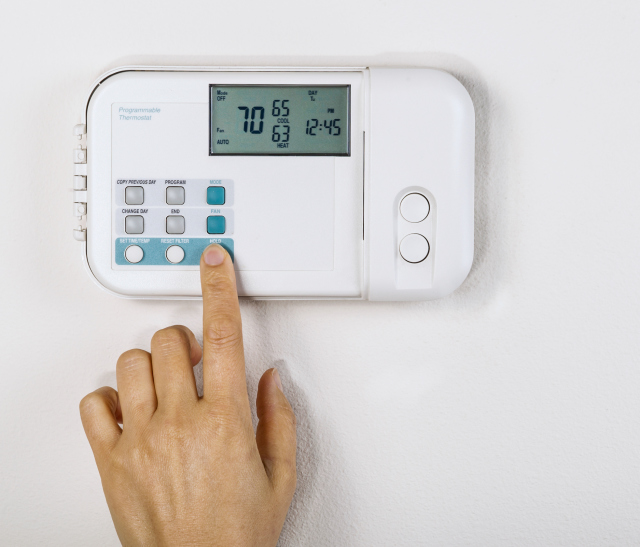
With winter fast approaching, keeping warm is a hot topic on everyone’s mind. Many Australian households are using gas heating to fend off the winter cold. But is a gas heating furnace really superior to other heating methods? Here’s what you need to know about how a gas heating furnace works and why it’s the gold standard in home heating methods. The Basics of Gas Heating A gas heating system includes four main parts: the heater, ducts, vents, and a thermostat.Cold air is drawn into the system and warmed by a heat exchanger heated by burning gas.Warm air travels through insulated ducts to different rooms in the house.Air is released into each room via ceiling or floor vents.The thermostat controls when the heater turns on or off based on your temperature setting.This thermostat is usually located in a central living area of the home.Combustion by-products from the gas burner are safely expelled through a flue outside the house. Gas Heating Compared to Electric Systems Electric heating is the primary alternative to gas heating in Australian homes.Electricity is widely available, even in areas where gas infrastructure may be limited.Connecting electricity is usually quick and simple, especially in city suburbs and urban developments.Gas connections might require extra planning, especially in rural or remote locations.If available, gas heating is often cheaper to run than electric systems over time.Gas produces fewer emissions than many electric heating options, making it more eco-friendly.Electric systems are typically easier to install than full gas heating setups.Gas systems heat spaces faster and more powerfully, reducing overall run time and energy use. Is Gas Heating Right For You? If your home already has a gas line, it will probably make sense for you to take advantage of it to heat your home. If you don’t have gas heating available to you now, you might be discouraged by the extra cost to have a gas line installed – but it is definitely worth your consideration. The money you save by using gas instead of expensive electricity makes gas the more economical choice in the long run. Because gas is provided to homes by a network of underground pipelines, you may be out of luck if you live in a rural area. Given the advantages that gas offers over electric, though, it’s worthwhile to contact your energy company about future development plans in your area. While electric heating is readily available anywhere, gas heating is almost always a better choice where it’s available. It’s cheaper, creates fewer by-products, and is a more efficient way of heating your home. If you don’t have it already, you owe it to yourself to consider installing a gas heating system in your home. It might end up causing some extra work in the short term, but the long term benefits are undeniable. Is Electric Heating Better Than Gas? The feeling you get when you walk into a warm house on a cold day cannot be compared to anything else. It’s great to know that after being outside for however long, you get to come back to a place where the cold is locked out. However, deciding what type of heating you should have is a different business. It can be tough, but as long as you have all the information, you’re going to make a good decision. Let’s have a look at the differences between gas and electric heating. It’s Easier to Install an Electric Heater Right off the bat, electric heating has a head start over gas. Having a gas heater requires you to also have a chimney that will take the smoke and other emissions outside. You might also want to have air duct vents around the house. As such, the installation is quite difficult, which means you should hire a professional. Plus, if you’re living in a place that doesn’t have a chimney, making one is really difficult. Electric heaters, on the other hand, are much easier to install. You can install the wall-mounted ones by yourself. You could also pick a portable electric heater, which needs no installation. Which Heating System Is Better for Your Home? If you have a large home you might require a gas heating system, as this type can heat up large spaces faster than electric heating. However, when it comes to smaller places, such as an apartment or a household with only a few members, electric heating is much better. That’s because the capacity of the storage tank is enough so as to not require re-heating after little time. Which Method Is Safer? Gas heating poses many risks when compared to electric heating. First, you have to ensure that the gas heater doesn’t leave the heating element exposed for children and pets. Most of the gas-heating companies out there do not deliver on this important feature. There’s also the risk of carbon dioxide leakage. If this occurs during the night, it is quite possible it will be fatal. There are some options for this, such as low-oxygen shutdown and tip-over protection. However, these still leave out the risk of carbon monoxide poisoning, which is extremely dangerous. Additionally, even the issues that are taken care of aren’t 100 per cent solved. For example, the gas heating system could fail to shutdown before the oxygen level goes so low that it incapacitates you. All these issues pose very serious concerns. The good news is that electric heating has none of these problems. This makes it a lot safer for your home and for your loved ones. When it comes to choosing between electric and gas heating, going with electric is the better option. To begin with, it offers a much smoother installation process than the other option. With gas heating, if you don’t have the chimney installed already you’re in quite a difficult position should you wish to have one. In addition to this, heating through electricity is much safer for your home. As such, electric heating is your best bet.
Read More