Blog
Beat the Winter Blues with Ducted Gas Heating
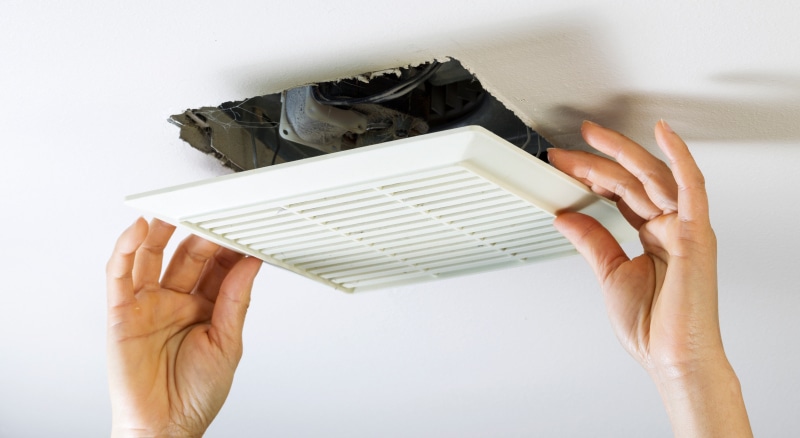
Winter nights can be uncomfortable, especially if your home heating system is not efficient. It becomes even more bothersome when you have to excessively heat certain rooms just to make others comfortable. Additionally, high energy bills add to the frustration. If you’re tired of these problems, it might be a good idea to think about switching to ducted gas heating. Here are some reasons why this change could eliminate your winter blues. Understanding Ducted Heating in Simple Terms Ducted heating is a system that uses gas to heat your home. It involves several key components. Firstly, there’s a central heating unit that generates warmth to raise the overall temperature of your house. The placement of this unit depends on the layout of your home. If your house has a concrete slab, the unit is likely to be installed above the roof or ceiling. If there’s space available, it can also be placed under the floor or outside. Insulated ducts create a network that connects the heating unit to every room, allowing the warm air to be distributed through vents in the floor or ceiling. Zoning: Put the Heat Where You Need It A distinct advantage of ducted gas heating systems is that you can divide your house into zones. This allows you to designate which areas of the home will be heated at any one time. You can keep your kitchen and living room heated during the day, and then have the bedrooms kept warm at night. This practical measure can have a huge impact on your heating bill by making sure you’re not wasting energy to heat rooms that aren’t occupied. Enjoy Natural and Convenient Warmth at Your Fingertips With gas heating, enjoy naturally warm air without the burnt smell often produced by electric space heaters.This comforting warmth is available whenever you need it—day or night, even in freezing conditions.You can heat your entire house or target specific areas based on your preferences.User-friendly thermostat controls give you easy temperature control, unlike many traditional heating systems.Stay comfortable and warm with a heating method designed for flexibility, efficiency, and convenience. An Environmentally Friendly Approach to Staying Warm Zoning helps reduce energy use, but ducted gas heating in Adelaide offers one of the most efficient solutions available.Switching from electric to gas heating often leads to immediate savings on your energy bills.Gas systems typically operate at about one-third the energy cost of electric alternatives.High-efficiency gas heaters outperform electric systems in both cost and environmental impact.With natural gas, you’re choosing a cleaner, more sustainable energy source for your home. Make Ducted Heating Your Go-To Winter Solution Ducted heating in Adelaide is the ideal way to fight off those icy winter nights.It delivers consistent, reliable warmth across your entire home without delay.Direct the heat where it’s needed and avoid wasting energy on unused rooms.Forget layering up indoors—enjoy real warmth without guilt or discomfort.Energy efficiency and zone control make this system a smart, eco-conscious choice for modern households.
Read MoreCompare Evaporative Cooling Prices and See the Real Value

Consider Long-Term Value Before Choosing a System Before choosing a refrigerant split system, compare the evaporative cooling prices for long-term savings and efficiency.If you live in a humid climate, a refrigerant-based unit may suit you better.In Australia’s hot, dry climate, evaporative cooling works more efficiently and provides better comfort.Compare features, research online, and speak with friends who use evaporative systems before making your decision.These steps help ensure you pick the right cooling system for your home and budget. Evaporative Cooling Prices Should Also Include Energy Usage You’ll quickly notice that evaporative units cost less to run, despite installation fees ranging between $3000 and $6000.These systems combine outside air with water to cool your home efficiently.Refrigerant systems rely on electricity to cool, which increases annual energy consumption significantly.In many cases, evaporative units cost as little as running a single light bulb.Don’t base decisions solely on purchase price—review the annual energy cost before buying.Water use also impacts total cost, as units may consume up to 50L daily in hot, dry conditions. Installation Costs Can Be a Necessary Expense Homeowners may think installing a split system themselves saves money, but it brings significant risks.If you install a refrigerant system yourself, you may void the manufacturer’s warranty.Without a compliance certificate, you can’t claim repairs or warranty support.Always use qualified technicians to protect your investment and ensure proper installation.While evaporative cooling prices may include higher installation costs, energy savings quickly balance that out. Centrifugal Fans Versus Axial Fans Fan choice impacts performance and cost. Centrifugal fans are drum-shaped, quiet, but may consume more energy.Axial fans resemble propellers, use less power, and generally cost less.Axial fans can be noisier depending on design and manufacturer.If you’re cooling a larger area, centrifugal fans often perform better and more consistently.Smaller rooms may benefit just as well from an axial fan with confident airflow and cooling power. Celdek Pads Versus Woodwool Pads The cooling pad type also affects system performance and maintenance costs.Celdek pads use corrugated paper and last longer but need protection from weather and animals.Woodwool pads are cheaper and easier to clean with high-pressure water but wear out faster.Test woodwool pads often to ensure they maintain airflow and efficiency.Maintenance costs influence evaporative cooling prices over the system’s lifespan.Minerals and salts build up on pads—regular cleaning and replacement is essential.Installing a salinity-based water quality system helps manage mineral levels with ongoing water “bleed off.”Smaller systems may not need this extra feature, making it optional in some cases. The Material Used in the Design Affects the Price Unit material impacts price, performance, and durability. Common materials include plastic, stainless steel, and marine-grade aluminium.Polypropylene and polyethylene resist corrosion but may suffer damage from hail, wind, and airborne debris.Aluminium is durable and lightweight but also vulnerable to physical damage.Stainless steel resists wear but may corrode over time, especially with frequent water exposure.Powder coating offers some protection, but splashing can wear it down in high-moisture conditions.Choose materials that suit your location and can withstand Adelaide’s harsh outdoor elements. Choose the Most Affordable and Efficient Cooling for Your Needs Start by understanding your home’s specific cooling requirements before selecting a system.Australia’s hot and dry climate—especially in Adelaide—makes evaporative systems a smart, cost-effective option.For short and long-term savings, evaporative cooling remains the best choice for many homeowners.Speak with a specialist to find the system that matches your space and comfort needs.Visit our evaporative cooling page for more expert advice and product details.
Read MoreHow An Evaporative Cooling Unit Can Bump Up the Value of Your Home
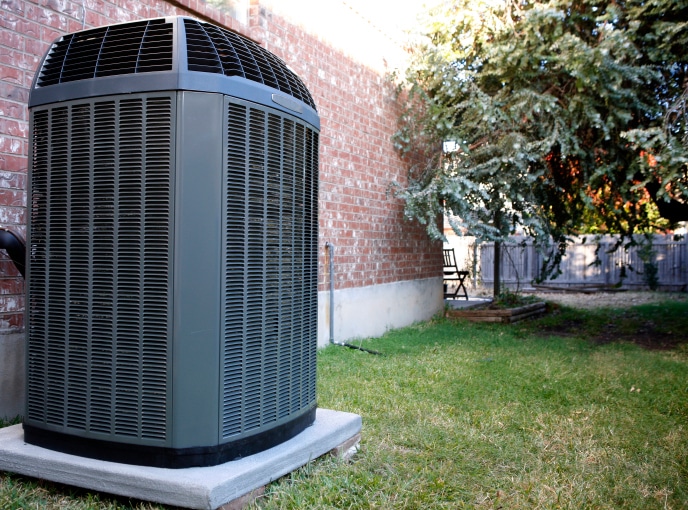
Discover the Benefits of Evaporative Cooling for Your Home Evaporative cooling units provide a popular alternative to traditional air conditioning in homes and offices across dry climates.These systems go by many names, including swamp coolers, desert coolers, and wet air coolers.They work best in dry climates by adding moisture to the air, improving indoor comfort.Learn more about options and benefits by visiting our evaporative cooling page today. How Does an Evaporative Cooling Unit Work, and How Does It Differ from Air Conditioning? Air conditioners use electricity to run compressors and circulate refrigerants for cooling.Evaporative coolers use water, not refrigerants, to create a cooling effect.Evaporative cooling mimics perspiration—heat escapes as water evaporates, lowering the air temperature.The process works because water absorbs heat to convert into vapour.This leaves remaining water cooler, resulting in cooled air distribution.Modern evaporative systems require far less energy—typically just 1kW compared to 3–5kW for refrigerant-based units.These units often include thermostatic control and automated flushers to eliminate contaminated reservoir water.This improves hygiene and extends unit lifespan. Two Types of Evaporative Cooling Units Evaporative units fall into three types: window or wall-mounted, portable, and ducted systems.For whole-home cooling, choose a ducted system—either direct or indirect evaporative.Indirect coolers circulate air through a water-cooled heat exchanger, then push it through your duct system.However, indirect systems add no humidity, making them less effective in dry climates.Direct systems draw outside air through water-soaked pads using a fan.Water pumps deliver moisture through tubes to keep the pads wet.The unit draws water from a reservoir, with levels managed by a float valve.Two-stage evaporative units combine both direct and indirect cooling methods for maximum comfort and efficiency.First, indirect cooling reduces temperature, then direct cooling adds humidity for enhanced comfort. What Is the Best Unit for Your Home in Terms of Style, Saving Energy, and Security? For most homes, wall or portable units are less effective than professionally installed outdoor evaporative systems.Larger homes require higher air output, measured in cubic feet per minute (CFM).Higher CFM units often feature concealed casings for a sleek, property-enhancing appearance.To work properly, evaporative systems require proper air exhaust flow.Historically, users opened windows, but modern systems vent air via ceiling-mounted ducts.These ducts direct warm air into the attic, which must be properly ventilated to prevent moisture buildup.This setup preserves indoor air quality and overall system efficiency.It also enhances home security by eliminating the need to leave windows open. Ideally, select an evaporative unit that balances function, efficiency, style, and long-term durability.With so many options available, finding the right model doesn’t need to be difficult.Your HVAC professional can help identify the best-performing and most visually appealing solution for your home.Don’t hesitate to ask questions—choose confidently and get it right the first time.
Read MoreThe Most Advanced Ducted Air Conditioning System Ever Built in Australia Is Now Available
Southern Australia is consistently one of the hottest places on Earth, with temperatures reaching in excess of 40 degrees Celsius on a regular basis during the summer months. There are a variety of solutions available to keep cool when a heatwave strikes. Those seeking the best, most advanced ducted air conditioning system should consider the ActronAir ESP Platinum Ultima. Precise and Powerful Delivery of Cool Air The ActronAir ESP Platinum Ultima ducted air conditioning system gives homeowners precise control over which areas receive heating or cooling.You can manage up to eight zones using a central master control or individual zone stations.Zoned control ensures tailored comfort while reducing energy usage by shutting off airflow to unoccupied spaces.Its Tru-Inverter feature allows the system to reach full capacity up to five times faster than standard inverters.For more information on choosing the right ducted air conditioning system, visit our ducted air conditioning page. Advanced Variable Fan Speed Technology The ESP Platinum Ultima features variable fan technology that adjusts airflow automatically for custom temperature control. You can cool just one zone without wasting energy in unused areas. Compared to fixed speed or standard inverters, ActronAir’s system fine-tunes energy output with remarkable accuracy. It only uses as much power as needed, improving efficiency and reducing waste. Increased Temperature Stability and Range of Operation This system delivers consistent temperatures with fluctuations of only ±0.3°C near sensors. Variable fan control eliminates sudden temperature shifts caused by traditional cooling systems. The Tru-Inverter adjusts output between 20% and 100% capacity—more flexible than most conventional systems. It works efficiently even in extreme heat, operating at up to 50°C, unlike others that struggle above 43–46°C. Compared to traditional inverter or fixed-speed systems, the ESP Platinum Ultima offers up to 75% electricity savings. It also operates up to 70% more efficiently than comparable systems. Smart tech like Tru-Inverter and variable fan control allow rapid, targeted cooling and heating. ActronConnect enables remote access via app on your PC, smartphone, Mac, or iPhone, giving you full control anywhere. Smart Thermostats and Growing Demand for Ducted Systems Smart thermostats make ducted heating more attractive for homeowners wanting to manage energy use while away. These thermostats allow temperature adjustments throughout the day—even while you’re at work or on vacation. You can automate on/off cycles to maintain ideal comfort levels and reduce running costs. Still, like all systems, **gas ducted heating** may experience occasional issues. If you’re experiencing any problems, call us at **1300 HEATING**—we’re ready to help. Air Filters and Ducts Can Get Dirty Air ducts run through your home, connecting to a gas or electric heater controlled by a thermostat. When activated, the thermostat signals the heater to adjust and push air through the ducts. Filters catch dust and debris—if clogged, they reduce efficiency and affect heating performance. Dirty filters can also allow allergens through, affecting those with asthma or respiratory conditions. Changing your filters regularly improves air quality and keeps your system working effectively. Airflow and the Pilot Light Older systems may suffer from pilot lights frequently going out or failing to trigger airflow. This usually points to a weak connection between the thermostat and the heater. To reset, turn the heater off, let it cool, relight the pilot, then restart the system. If issues persist, a professional technician can inspect and repair the system. Note: Most newer heaters use electric ignition, so pilot light issues may not apply. Lack of Heat or Control Some systems fail to provide enough heat due to clogged filters, an undersized unit, or motor overload. Debris may also block the blower, preventing warm air from circulating properly. Try removing debris, cleaning filters, and resetting the system for minor issues. For persistent problems, professional servicing can quickly restore functionality and comfort. Ducted systems regulate your home’s climate through integrated heating and air conditioning. If you’re considering a new heating system or need expert advice, contact **Rite Price Heating & Cooling**. Call **1300 HEATING** to speak with our professional staff and find the perfect heating solution for your home. Experience precision, comfort, and energy efficiency with ActronAir ESP Platinum Ultima.Take full control of your home climate with advanced ducted air conditioning tailored to your lifestyle.Visit Rite Price Heating & Cooling or call 1300 HEATING to request your free in-home quote today.
Read MoreTrying Your Own Air Conditioning Installation? What You Need To Do To Avoid DIY Disaster

Think Twice Before Installing Your Air Conditioner Yourself If you’re a homeowner, you may consider installing an air conditioning unit yourself to save money.Even with tools and motivation, HVAC installation can cost you more if done incorrectly.Improper installation may damage your system and lead to higher repair costs than hiring a professional.Review the information below before attempting to install an air conditioner in your home. There Are Certified HVAC Experts for a Reason Installing air conditioning isn’t as simple as watching a YouTube video or reading a manual.Complex units may require specific techniques and knowledge to avoid damaging your home’s ventilation or ductwork.HVAC professionals train through schooling, apprenticeships, and hands-on experience before performing installations or repairs.Each home and system presents unique challenges that require experience and expertise to handle properly. The Three Biggest Advantages of Hiring an Air Conditioning Installation Professional 1. Guaranteed WorkA certified air conditioning installer guarantees their work, unlike DIY projects where you’re responsible for costly mistakes. 2. ConvenienceLetting a professional handle the job saves your time and effort, even during complex installations.You gain peace of mind knowing you won’t be burdened with unexpected installation issues. 3. Expertise and ComplianceProfessionals know building laws, local installation regulations, and required documentation.They follow safety standards, use proper tools, and understand wiring and necessary parts for a successful job.This ensures your system runs efficiently and safely right from the start. DIY Installation Can Be Much More Costly Than You Think Air conditioning involves more than just cooling—it manages airflow, filtration, humidity, and air quality.Poor installation impacts indoor comfort, increases wear on the unit, and decreases system efficiency.A poorly installed unit can also spike your energy bills, costing you more over time.Incorrect wiring or sealing may reduce airflow, worsen air quality, or cause moisture problems in your home. Choose a Professional for Peace of Mind Hiring an HVAC installation expert protects your home and ensures safe, compliant system setup.Professionals possess the detailed knowledge required to manage complex systems and avoid critical errors.Their expertise safeguards your home’s comfort, safety, and energy efficiency for years to come.Don’t risk a DIY disaster—consult a certified professional before starting an HVAC installation. Ready for a hassle-free, professional air conditioning installation?Avoid costly mistakes and ensure long-term performance by trusting the experts.Visit Rite Price Heating & Cooling or call 1300 HEATING to book your free in-home quote today.
Read MoreThe Easy Guide to Evaluating Ducted Air Conditioning Prices and Value
Ducted Air Conditioning Gives You Total Home Comfort If you’re buying a cooling system to chill your entire home, a ducted air conditioning system is your best choice.It’s the only system that provides full temperature control across all living spaces, from bedrooms to kitchens and bathrooms.Unlike split systems, ducted units let you control airflow and temperature room by room with total precision.Australians can choose from many brands and models, often making it hard to compare ducted air conditioning prices effectively.Rather than focusing only on specs, evaluate systems based on the value they offer for the price you’ll pay. Energy Efficiency Ratings Can Reveal Which Systems Are Worth the Money Ducted air conditioning prices reflect more than just the initial purchase and installation costs—you must also factor in ongoing electricity usage.Because ducted systems often run more frequently, their efficiency significantly impacts your long-term energy bills.Always check the Energy Efficiency Rating (EER) displayed on each unit to gauge expected monthly operating costs.A higher EER translates to lower energy use, helping you save more over time.Systems with a 5–7 star EER offer great performance and value, making them a smart investment despite higher ducted air conditioning prices. Life Expectancy and Warranty Can Both Offer Significant Added Value Always check the expected lifespan of any ducted system before purchasing.Some units fail within years, while others last more than 15 years with proper care.Longer lifespan equals better return on investment and fewer replacement costs.Compare warranties—longer terms with broad coverage add real value over time.A strong warranty protects your system against unexpected repair or replacement costs. Cooling Capacity Reveals Whether a System Can Meet Your Needs Make sure the system can cool your entire home—not just small spaces.Cooling capacity is measured in BTU (British Thermal Units) and depends on your home’s size.Smaller areas (100–300 sq ft) need 5,000–6,000 BTU for effective cooling.Medium spaces (250–550 sq ft) require 7,000–8,200 BTU for consistent airflow.Larger areas (350–950 sq ft) need 9,800–12,500 BTU for full comfort.Check if your preferred system meets your home’s required cooling capacity before buying. Filtration Ability is Another Major Indicator of Quality/Value Filtration is key—your system should deliver clean, healthy air, not just cool temperatures.High-quality filters remove dust, allergens, and chemicals from indoor air.Filtered systems improve air quality, making your home safer and more comfortable year-round.Filtration specs should be clearly listed with other features—don’t overlook this vital detail.Invest in a system that offers cooling and improved indoor air quality in one. Find the Best Value for Your Budget With so many choices, having a guide simplifies your search for the right ducted air conditioner.Key factors to evaluate include: energy efficiency, warranty, cooling capacity, and air filtration.Each contributes to the system’s overall value and impact on your household comfort and expenses.When combined, these indicators help you choose the smartest investment for your home.For more expert guidance, visit our ducted air conditioning page.
Read MoreCutting Edge Gas Fire Designs That Will Warm Your Home and Make It Look Good
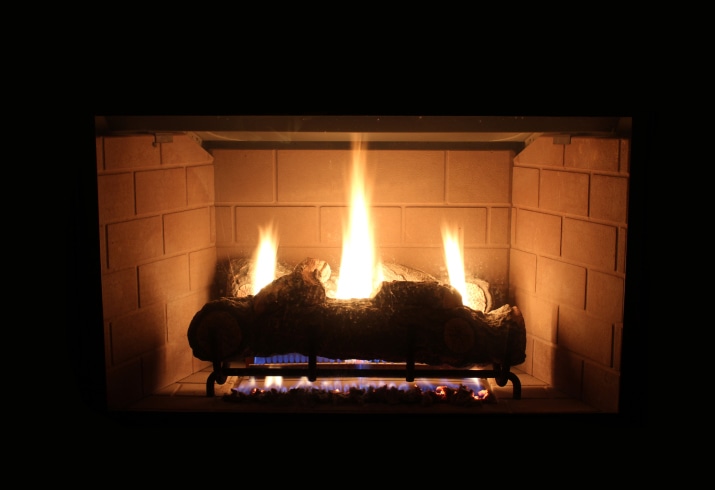
Gas Fires Adelaide: Stay Warm in Style with Modern Fireplace Designs When winter hits hard, consider more than just traditional heaters—gas fireplaces offer a stylish, efficient way to stay warm.Gas fireplaces provide instant heat with a switch and add visual appeal to your living space.Modern gas fire designs continue evolving, offering both energy efficiency and sleek aesthetics.Here are three top-performing gas fires Adelaide residents can enjoy this winter. Sharp Edged Design From the Horizon Low Line Inbuilt The Horizon Low Line Inbuilt gas fireplace showcases a levitating burner inside a sleek glass-encased wall installation.This modern fireplace stretches a blue flame across iron log pebbles to create a stunning visual centrepiece.Its clean design offers minimalist controls and maximum flame visibility for any contemporary interior.Available in 700mm, 850mm, 1100mm, 1500mm, and 2000mm sizes to suit different room dimensions.Choose from stainless steel, black, or painted fascia to match your decor perfectly.Prices range from $2999 to $4999, depending on size and selected finish. Heat Large Spaces With the Regency Panorama PG121 Double Sided The Regency Panorama PG121 double sided gas fireplace provides heat and ambiance to two rooms at once.Its see-through design fits within partial or full dividing walls between large or adjacent rooms.Black louvres, brick panels, and ceramic safety glass add elegance and durability to the design.Enjoy traditional flame visuals with stacked logs that burn behind crystal-clear glass.Measuring 1105mm wide and 914mm high, it provides ample heat output and visibility.Retail price for this dual-room masterpiece is approximately $6399. Attention Grabbing Form Factor of the Lopi Cypress Freestanding Gas Heater The Lopi Cypress Freestanding gas heater brings warmth with flexibility and timeless appeal.Use rear venting to place it against a wall, or top venting for central room installation.Choose from decorative pebbles, logs, or driftwood to complement your flame display.Its black and grey steel body includes signature freestanding legs for extra style.It heats spaces up to 180 square meters, making it ideal for open living areas.At 765mm wide and 784mm high, it combines compact form with serious output.Retail price lands at around $4499. Add Value and Comfort With Gas Fires in Adelaide Adding a gas fireplace adds more than heat—it creates atmosphere and boosts your home’s interior appeal.The Horizon, Regency, and Lopi Cypress are among the best gas fires Adelaide offers for heating in style.For freestanding fireplaces, remember to arrange hard rubbish removal once installation is complete.Contact Adelaide Rubbish for convenient removal after updating your space.Each of these options guarantees comfort, performance, and stunning visual presence throughout winter.
Read More5 Things Worth Knowing to Ensure Your Combustion Heater Is Safe and Environmentally Friendly
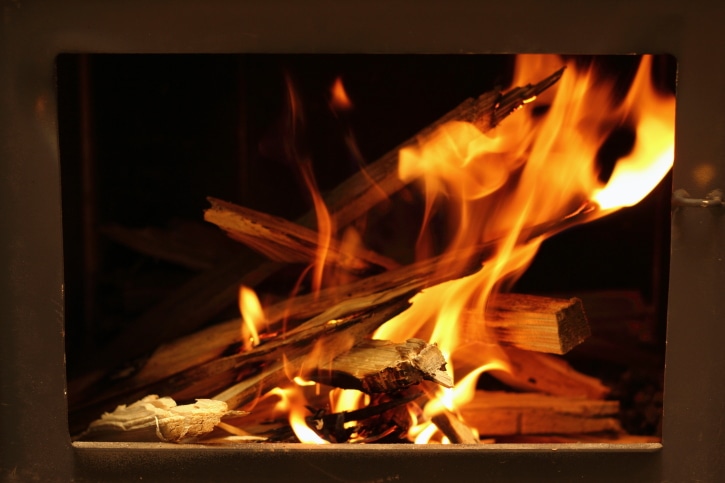
Buy a Safe, Eco-Friendly Combustion Heater for Your Home When buying a combustion heater, choose one that’s both environmentally friendly and safe for everyday use.If you’re shopping for combustion heaters in Adelaide, take time to research models that meet safety and environmental standards.Proper usage significantly reduces the amount of pollution your combustion heater produces.Local councils and the Environment Protection Authority help educate residents on using these heaters responsibly.Here are five essential tips to help your combustion heater stay safe and eco-friendly. Starting the Fire Properly Use only small pieces of dry kindling or wood when starting your combustion heater.Once the fire is established, add larger logs gradually and avoid overloading.Loosely stack wood in the firebox to promote proper air circulation and complete combustion.This setup helps your fire burn efficiently and prevents excess smoke and pollution. Maintaining the Fire Properly Maintain a bright, lively flame that only produces smoke when starting or adding fuel.Smoke should last no more than a few minutes during those moments.Open the flue and air intake five minutes before and twenty minutes after adding new fuel.Burn the fire hot for one to two hours daily to reduce soot and creosote buildup. Inspect the Chimney Check your chimney regularly to assess how cleanly your fire burns.If visible smoke exits the chimney, increase the fire’s air supply immediately.Longer smoke duration may indicate poor fuel quality or improper operating methods.Smoke lasting more than ten minutes signals a potential issue that needs attention. Regular Cleaning Helps Inspect and clean the chimney, flue, and baffle at the end of every winter.Soot or creosote buildup shows that the fire isn’t burning efficiently.Neglecting this maintenance increases the risk of dangerous chimney fires.Proper cleaning ensures better performance and safer operation year after year. Never Let the Fire Smoulder Overnight Avoid letting your fire smoulder overnight, as it creates excessive smoke and minimal heat.Closed air intake starves the fire, leading to incomplete combustion and more pollution.Only let fires burn overnight if your combustion heater is built for continuous operation.Always follow the manufacturer’s guidelines for extended or overnight use. These five simple steps will keep your combustion heater safe and environmentally responsible.By following them, you’ll reduce pollution and improve the heater’s performance.Use your combustion heater efficiently, and help protect both your family and the planet.
Read MoreHow to Choose the Air Conditioning Unit That’s Right for Your Home
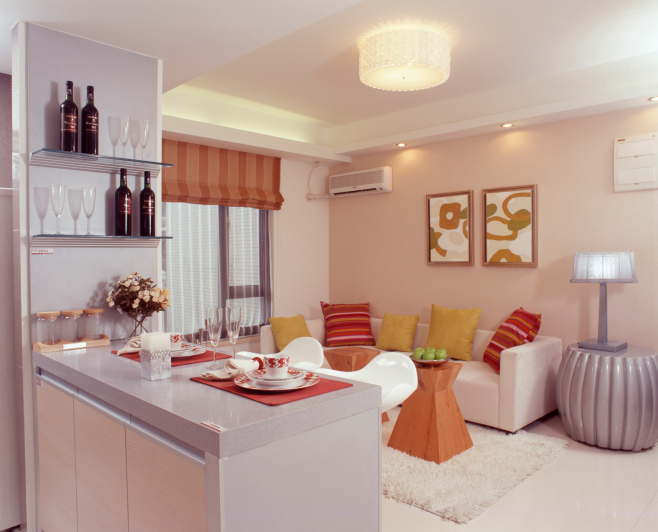
Choose the Best Air Conditioner for Your Home You’ve endured another season with a broken air conditioner—it’s finally time to upgrade to a new system.When selecting a new unit, choose one that suits your space, budget, and energy needs.Air conditioners are not just one-time purchases—they influence your ongoing energy expenses.Invest in your future with a model that meets both your cooling needs and energy expectations.Here’s how to choose the best air conditioner for your home. What Makes a Good Air Conditioning Unit? Look beyond the price tag when comparing air conditioning units—price isn’t everything.Choose a well-manufactured unit from a trusted brand that offers excellent performance and energy efficiency.A good unit balances cooling power with quiet operation, ideal for sleep and relaxation.Always choose a unit with a strong warranty and a reliable aftercare service plan.Well-maintained systems last longer and perform better than neglected units. Choosing the Right Unit: Size Matters A hot home might tempt you to buy the biggest unit, but bigger isn’t always better.Undersized units won’t cool the room effectively or reach every corner.Oversized units cool fast but fail to remove humidity, making rooms feel damp and uncomfortable.These units often short-cycle and waste energy, driving up power bills.Large compressors wear out faster, increasing future repair costs.Choose the right-sized unit to cool efficiently and remove humidity effectively.Consult your retailer or installer to determine the best unit size for your space. Choosing the Right Unit: Type of Room Your room’s specifications influence which air conditioner performs best.Sunlit rooms need larger units due to heat gain from sunlight.Shaded rooms require smaller units, as they stay cooler naturally.Crowded rooms with multiple people generate more heat and need stronger air conditioning.Kitchens produce heat from ovens, microwaves, and fridges, requiring a more powerful unit.Always consider heat sources, room use, and sunlight before choosing your system.Speak to an installer who can assess and recommend the right setup. Cut Your Costs with an Energy Efficient Model An energy-efficient model saves you money on your electricity bill every month.Older systems may seem cheaper but cost more to operate over time.Upgrading now will significantly reduce your monthly utility bills.Energy efficiency adds long-term value to your home and budget. What Components Need to Be Well Manufactured? Focus on the compressor—it’s the heart of the system and does the heavy lifting.Durable compressors ensure years of reliable performance under demanding use.Choose units with quiet fans to avoid sleep disruption.Some models include grills to soften fan noise for a peaceful environment.Well-built components improve comfort, reduce noise, and extend the unit’s life. Make a Smart, Long-Term Investment Look for air conditioners that are quiet, energy efficient, and well-built for lasting performance.Every home is different—choose a unit that matches your space and usage needs.Contact a local heating and cooling expert for a home assessment or personalised consultation.A specialist will help you find the perfect air conditioning solution for lasting, reliable comfort. Ready to upgrade your comfort with the perfect air conditioning unit?Let our experts help you choose the right size, type, and efficiency for your home.Visit Rite Price Heating & Cooling or call 1300 HEATING to book your free in-home quote today.
Read MoreFor One of the Best Air Conditioning Solutions Here’s 8 Things You Should Have on Your Selection Criteria

When it comes to picking up a new air conditioner, there are a number of different factors to consider in order to ensure you’re getting one of the best possible air conditioning solutions. The consumer market itself is filled with many types of systems, and understanding the differences between them can be difficult. All will vary in shape/size, cost, features, and performance, so it’s important to do the necessary research and know exactly what you’ll be receiving for your money. To help you with making a decision, here are 8 of the main criteria you should review to get the best possible deal on your new air conditioning system. The Size of Your Living Space: Air Conditioning Solutions Your living situation—house, apartment, or room—affects the best system and installation costs for air conditioning.Understanding system types helps you avoid overspending by matching your needs with appropriate cooling performance.Air conditioning systems include wall/window units, portable units, split/ductless systems, and central air systems.Choosing the right system prevents unnecessary energy consumption and helps you save money long term. For individual rooms or small apartments, consider a window or wall-mounted unit for practical cooling.These units push cool air inside and vent warm air outdoors through a wall or window.They’re cost-effective and simple to install but can be bulky and noisy during operation.Portable units are another alternative, venting hot air through a window with an exhaust hose.These systems range from $100 to $1000+, based on features and performance levels. For mid-sized homes, a split/ductless system offers superior performance and better efficiency than portable or mounted options.Split systems divide air processing into two components—compressor and condenser outside, evaporator inside the room.Prices typically range between $1000 and $4000, depending on brand and output. Central air systems suit larger homes needing whole-house cooling with minimal noise and maximum efficiency.These systems use an outdoor unit and indoor ducts to evenly distribute chilled air throughout the home.Costs usually range from $1000 to $4000+, based on home size and zone requirements. Ease of Carrying Out Maintenance and Repairs: Air Conditioning Solutions Modern air conditioners usually require minimal maintenance if purchased from a reputable brand.Still, power surges and harsh weather may damage internal parts or disrupt performance unexpectedly.Always check how easily your chosen system can be maintained or repaired if issues occur.Newer systems are often simpler to service due to their digital designs and streamlined components. Amount of Noise Produced Noise level matters—especially if you’re sensitive to distractions or prefer quiet when working or sleeping.Mounted and portable units generally produce more noise than other systems.Split/ductless systems are typically quieter, while central air conditioners offer near-silent operation.Choose central air if you prioritise quiet performance and want noisy components installed outside your living space. Level of Humidity Control Provided Reducing humidity is as essential as lowering room temperature when creating comfort.Effective humidity control improves air quality and helps reduce stickiness indoors.Window, portable, and split systems offer basic humidity control depending on runtime and airflow.Central air systems provide the best humidity regulation due to consistent, high-volume air circulation.For large homes or humidity-prone spaces, central systems offer the most effective comfort control solution. Life Expectancy and Warranty Longevity and warranty protection are vital when comparing units for long-term value.A high-quality air conditioner should last at least 15 years with routine maintenance.Warranties protect your investment by covering replacement parts or service repairs as needed.If the unit lacks warranty information, reconsider your purchase—it’s not worth the risk. Energy Efficiency is Crucial to Consider Upfront cost is just one part of the total price of owning an air conditioner.Monthly energy consumption plays a major role in the long-term cost of cooling your home.Look for the Energy Efficiency Rating (EER)—a higher EER means better performance and lower electricity bills.Don’t let a cheap unit raise your power bill unexpectedly.Choose an efficient system that delivers performance without excessive energy usage. Cooling Capacity in Relation to Coverage Required Select an air conditioner with the correct cooling capacity for your space.Cooling capacity is measured in BTUs (British Thermal Units) and must match room size for optimal comfort.Small areas (100–300 sq ft) require 5000–6000 BTU for effective cooling.Medium spaces (250–550 sq ft) need 7000–8200 BTU units.Larger spaces (350–950 sq ft) demand systems rated between 9800 and 12,500 BTU.Match BTU output to your space to avoid wasted energy and ensure full comfort. Ability to Filter Incoming Air: Air Conditioning Solutions Air quality matters—don’t ignore a system’s filtration capabilities.Basic filters are standard, but premium systems offer active filtration during the cooling process.Active filters reduce allergens, dust, odours, and bacteria while circulating clean, cool air.Review each unit’s specs to confirm its ability to clean air effectively during operation.Cleaner air means better breathing conditions for you and your family. Final Thoughts: Find the Best Air Conditioning Adelaide Offers Getting the best air conditioner means comparing your needs with system features and performance.Evaluate your living space and choose the system that balances comfort, cost, and long-term reliability.Consider life expectancy, warranty, energy efficiency, cooling power, and filtration performance.Proper research leads to smart decisions and lasting comfort in any room.For more guidance or quotes, visit Rite Price Heating & Cooling.
Read More