Blog
The Science Behind Evaporative Air Conditioning: What You Can Do to Make It the Most Efficient
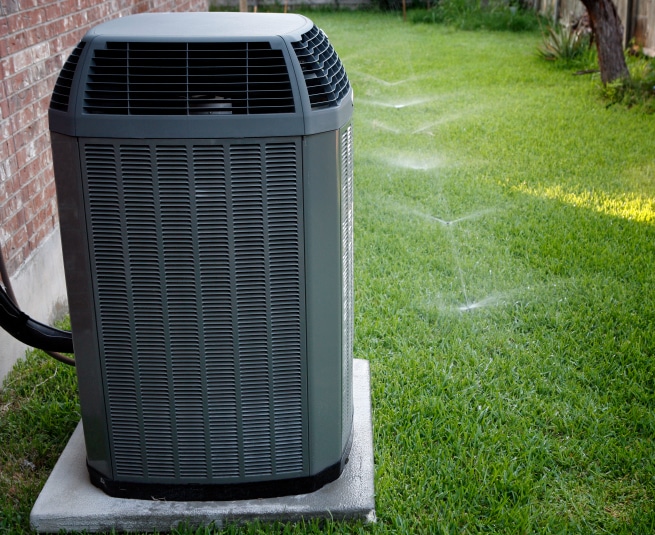
Beat the Adelaide Heat with Evaporative Cooling Australian summers vary—some cities are humid and wet, while others are hot, dry, and rainfall-deprived like Adelaide.In January 1941, Hindmarsh Valley recorded 376mm of rain over three days—South Australia’s highest rainfall.Conversely, November 2006 brought Australia’s worst drought in 1,000 years, according to The Guardian.Adelaide summers often drop below 30mm of monthly rainfall, creating a hot, dry environment.Such extreme weather can harm public health and stress the local economy.Evaporative air conditioning offers an energy-efficient solution for cooling during Adelaide’s dry summer months.Visit our evaporative cooling page for more in-depth information on these systems. The Water Cycle: A Brief Trip Back in Time to Science Class You likely learned about the hydrologic cycle in school—it shows how water moves through Earth’s systems.Water exists in multiple forms: fresh, salt, frozen, and vapour, all interacting through evaporation, sublimation, and condensation.For air conditioning, evaporation matters most—it changes liquid water into vapour using heat energy.Evaporation requires surface-level molecules, outward movement, sufficient kinetic energy, and space in the surrounding air.Dry air supports evaporation better than humid air due to the available space for water vapour.When all four conditions are met, evaporation cools the environment and adds moisture to the air. How Evaporative Coolers Use the Science of Evaporation to Cool Your Home Evaporation absorbs surrounding heat, breaking water’s molecular bonds and converting it into vapour.This reaction lowers room temperature and increases humidity, making the air denser and harder to heat.Denser air contains more molecules, which require more energy to warm—lowering the effective room temperature.Evaporative coolers pass warm air through wet pads, allowing water to evaporate into the airstream.As hot air absorbs the moisture, it expends heat, becoming cooler and more humid.This natural process creates a cooling effect without using chemical refrigerants like Freon. Humidity and Atmospheric Science: Get the Best Possible Results Out of Your Evaporative Air Conditioning System Evaporative cooling uses two temperature scales: wet-bulb and dry-bulb.Dry-bulb measures the air’s actual temperature, while wet-bulb incorporates the humidity factor.The wet-bulb temperature represents the coolest result possible using evaporation—equivalent to 100% relative humidity.When dry-bulb equals wet-bulb, the air is fully saturated—no further evaporation or cooling occurs.Evaporative cooling performs best when humidity stays below 40% and temperatures are high.Stock up on water—evaporative units need a steady water supply to function effectively.Ensure proper air circulation through ductwork and open windows to prevent excessive indoor humidity.A “swamp cooler” needs airflow to avoid stale, moisture-heavy air buildup.Keep windows open while the cooler runs to maintain airflow and maximize efficiency.Service your evaporative cooler before and after each summer season for optimal performance.If you’re unsure about maintenance, contact a qualified professional for regular service and inspections. The Natural Advantage of Evaporative Cooling Evaporative cooling uses water—not chemicals—to remove heat from indoor air.This method is ideal for those with asthma or respiratory concerns, as it avoids harsh synthetic refrigerants.It’s cost-effective, energy-efficient, and well-suited for South Australia’s dry summer conditions.If you want eco-friendly cooling powered by nature, evaporative air conditioning is the solution.For more guidance, visit our evaporative cooling page or contact our team for advice.
Read More6 Reasons Natural Heat from a Coonara Wood Heater Adds More Than Just Respite from the Cold,
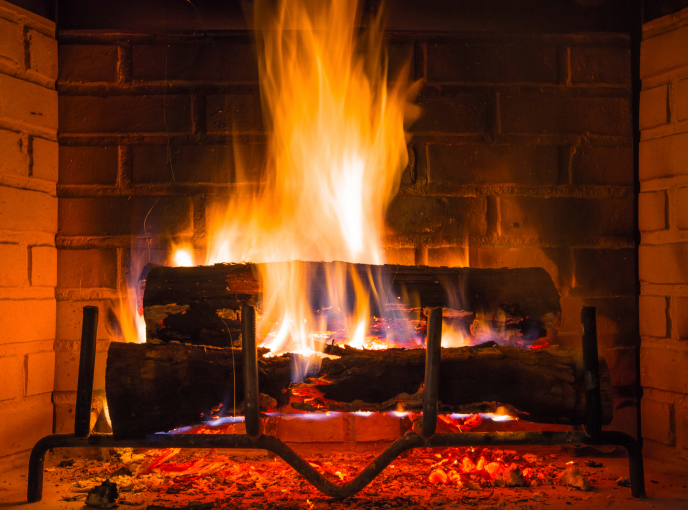
As the Weather Cools, Warm Up the Right Way When winter hits, everyone starts thinking about the best way to heat their home efficiently and affordably.A slow-burning wood fire may feel nostalgic, but it’s also practical, eco-friendly, and comforting in modern homes.If you’re craving the warmth of a real fire, a Coonara wood heater might be your perfect solution.Here’s why Australians continue to rely on this iconic heating system year after year. Nostalgia: A Traditional Way of Heating Many Australians have fond childhood memories of gathering wood and feeding logs into a glowing heater on cold nights.The familiar crackle and glow of wood fire creates an unmatched atmosphere—something gas heaters just can’t replicate.A wood-burning heater brings families together without screens or distractions—just warmth, conversation, and timeless connection.If you want to relive those special moments, Coonara delivers that same charm with modern performance. Humidity: A Crisp, Warm, Naturally Heated Home Coonara heaters create dry heat, reducing humidity instead of adding unwanted moisture to your living space.Lower humidity makes your home easier to heat and helps prevent mould, mildew, and musty-smelling furniture or curtains.Skip the dehumidifier—Coonara provides natural heat that helps preserve your home’s air quality and interior finishes. Scent: That Wonderful Wood Aroma Burning wood fills your home with a rich, natural scent—far more inviting than the sterile smell of electric heaters.You can experiment with different wood types—like cherry, pine, or oak—for distinct aromas and minimal mess.Find the firewood that suits your nose, and let your heater double as a natural room fragrance. Multi-Level Heat for Your Home Live in a two-storey or larger home? Integrate your Coonara chimney into existing or upgraded ductwork easily.Your heater can distribute warmth evenly across rooms without needing multiple heaters or excessive electricity.With some basic ductwork, you can transform your Coonara into a natural, central heating system. Live With Less Dependence on Power Companies Power outages? No problem. Coonara heaters work without electricity—keeping your family warm no matter the conditions.You control when and how much heat you use, giving you independence from rising energy prices.Some freestanding models also allow for basic stovetop cooking during outages, giving added functionality in emergencies. Be Part of an Aussie Tradition Coonara has earned the name “The Warmest Aussie Legend” for good reason—it’s proudly Australian and incredibly reliable.Manufactured by Shamic Sheetmetal, these heaters support local jobs and use quality Aussie materials.When you buy a Coonara, you’re investing in both warmth and Australian-made craftsmanship. Why Choose Coonara? Coonara heaters offer renewable wood fuel, reliable multi-room heating, and nostalgic charm all in one system.Every room with a Coonara feels cosier—both physically and emotionally—thanks to its unmistakable warmth and glow.If you’re ready to warm up your winter, choose a Coonara wood heater and enjoy true comfort all season.Visit our page or call us to find your perfect heater today.
Read MoreThe Buyers Guide: How Does a Gas Wall Furnace Stack Up Against Other Heating Options?
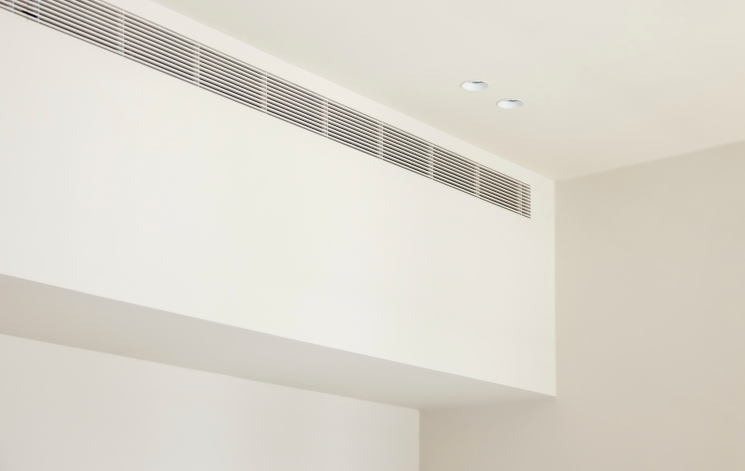
Navigating the world of home climate control has never been more overwhelming with gas wall furnace, but there’s an upside. The sheer number of options ensures there’s a better solution for every type of house in every location. For many homeowners in Adelaide and the surrounding area, gas wall furnaces still hold a healthy lead over a range of alternatives. Let’s take a look at why this is. Gas Wall Furnace Aren’t What They Used to Be Thanks to Major Tech Advancements Technology doesn’t only introduce new heating systems—it also upgrades existing systems like the popular Braemar gas wall furnace.New Ecostar units remove common issues found in traditional gas wall heaters, offering advanced efficiency and updated safety technology.Modern safety features include overheat protection, child locks, cool-touch exteriors, and self-diagnostic systems that ensure smooth and safe operation. Gas Wall Furnace Beat Oil and Wood for Pollution, Inside and Outside Your Home When comparing heating systems, natural gas stands out as a cleaner alternative to wood or oil-based home heating options.In fact, gas wall furnaces drastically reduce greenhouse gas emissions, making them a more eco-conscious way to heat your home.Additionally, Braemar gas wall furnaces are flued, meaning they expel exhaust safely outdoors, improving the quality of indoor air.In contrast, unflued heaters require open windows for ventilation, which compromises both comfort and heating efficiency.This setup can introduce cold draughts and create uneven room temperatures—something flued systems effectively avoid. Gas Wall Furnace Provide Unparalleled Comfort and Design Advantages Beyond environmental benefits, gas wall furnaces also elevate your home’s comfort and design.These units offer powerful heating performance, combined with a sleek, slimline look that complements modern or classic interiors.Available in both console and inbuilt models, they come in various finishes to suit your home’s existing décor.Moreover, their cool-to-touch exteriors allow for flexible placement without sacrificing safety or aesthetics.Comfort-enhancing features such as Boost heat, soft air flow, programmable timers, and remote control add everyday convenience.In short, these systems offer a stylish, high-performance solution for indoor heating needs. Gas Wall Furnace Fit Without a Hitch: Save on Installation Expenses When it comes to installation, gas wall furnaces offer a significant advantage over other heating options.Unlike split systems, which require both indoor and outdoor units plus extensive piping, wall furnaces are typically simpler to install.Many modern homes are already fitted with natural gas lines, which means minimal effort is needed to connect a new furnace.Additionally, Southern Australia’s established gas infrastructure makes these installations straightforward and cost-effective across urban and suburban areas. Why Gas Wall Furnaces Are Still a Smart Choice Although alternative energy systems like solar and geothermal are growing in popularity, gas wall furnaces remain a practical mainstay.They offer a unique blend of consistent safety, reliability, and lower ongoing costs—particularly in cold Adelaide winters.This makes them one of the most dependable and efficient home heating choices on the market today. Gas Wall Furnace If you’re exploring efficient central heating options, a gas wall furnace could be the perfect fit for larger living areas. Benefits of Gas Wall Furnace One key advantage of gas wall furnaces is their slim design, which allows them to mount directly on your walls.They’re capable of heating single rooms or multiple areas, depending on the home’s layout and openness.In open-plan homes, a single furnace can effectively warm several zones at once—making it an efficient, whole-home solution.Because these systems use natural gas, they are more economical than electric heating and require very little electricity to operate. Types of Gas Wall Heaters Gas wall heaters are highly versatile, coming in a variety of models to suit different rooms and household needs.For larger rooms, ducted gas systems offer excellent coverage while venting emissions outdoors for cleaner indoor air.Meanwhile, smaller spaces can benefit from unvented models that are simple, compact, and quick to install.Furthermore, zoned heating systems let you customise temperatures in different areas—perfect for homes with varied heating requirements.For instance, you can set warmer temperatures in bedrooms and cooler settings in kitchens or hallways. Heating and Cooling Systems in Adelaide Rite Price Heating & Cooling provides complete heating and air conditioning solutions for Adelaide homes and businesses.To learn more about gas wall heaters and heating installation in South Australia, call 08 7007 0168 today.
Read More5 Ways the Toshiba Reverse Cycle Air Conditioner Stacks Up on Benefits and Price
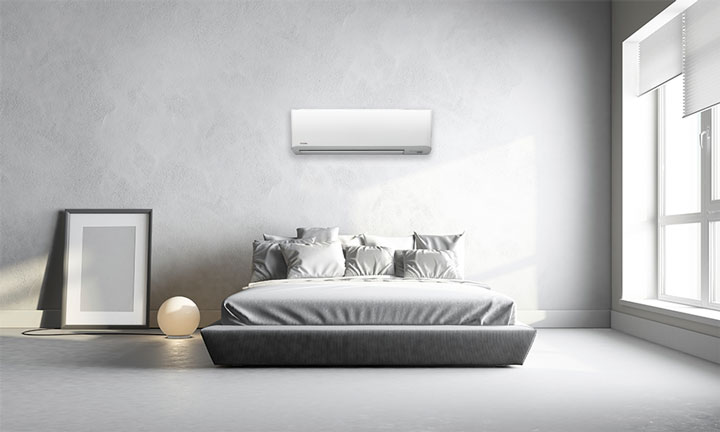
Installing a Reverse Cycle Air Conditioner Adds Value Boost Comfort, Cut Costs, and Increase Property Value Installing a reverse cycle air conditioner may cost up to $10,000, yet it can significantly boost your home’s resale value.However, by making smarter purchase decisions, you can offset ducted air conditioning prices and maximise long-term investment value.For example, Toshiba receives excellent reviews for offering reliable, energy-efficient air conditioners at competitive prices.Moreover, they provide extensive options, allowing homeowners to customise systems that meet comfort and energy-saving goals.In fact, Toshiba launched the first residential AC units in 1961, showcasing decades of innovation and performance excellence.On the other hand, heating your entire home with gas or oil increases costs when warming unused rooms unnecessarily.Instead, reverse cycle units lower heating bills by delivering targeted comfort only to the spaces you’re actively using.Still, your final price will vary depending on several factors—such as home size, comfort preferences, and local climate conditions.In colder climates below -10°C, split systems may freeze; however, ducted systems maintain reliable performance alongside your existing furnace. Ducted Versus Split Systems Ducted systems provide whole-home coverage but require extensive installation and modifications.Split systems offer simpler installation by connecting indoor and outdoor units without ductwork.Both options offer zoned control, helping you heat or cool individual rooms as needed.Ducted systems use duct dampers to manage airflow and zone-specific comfort.Ducted air conditioning prices rise with increasing zone customisation and ductwork complexity.Regardless of your system, always seal air leaks and insulate your home for maximum performance. External Static Pressure Offers Complete Cooling Control External static pressure control helps regulate cooling across large spaces with even airflow.Toshiba’s systems deliver pressure up to 196 Pa for widespread comfort.You can manage temperature distribution while optimising energy savings throughout the home.Toshiba’s three-phase static pressure switching enables precise seasonal adjustments for all weather conditions. A Wide Range of Options Are Available Toshiba offers many add-ons to improve your system’s performance and air quality.Consider a vaporising humidifier to maintain healthy humidity and minimise airborne allergens.High-efficiency filters remove fine particles and extend your system’s lifespan.Drain pump kits simplify moisture removal and reduce condensation buildup in your unit.Toshiba’s Daiseikai purifier bonds particles with ions to make them heavier and easier to filter.Self-cleaning functions remove interior moisture and prevent harmful mould growth inside the unit. An Energy Saving Option to Reduce Environmental Impact Air-to-water heat pumps provide a renewable energy solution that dramatically reduces reliance on fossil fuels.These pumps extract ambient heat from outdoor air and transfer it into your home’s water system.They integrate easily with existing radiators, underfloor systems, and furnaces to reduce fuel dependency.You get more heat output using less electricity, gas, or oil than traditional systems require. Coolant Has Been CFC-Free Since 1998 Toshiba introduced “Green Air Conditioners” in 1998, replacing ozone-depleting CFCs with safer refrigerants.CFC leaks can go unnoticed and damage the environment and your cooling system’s performance.Toshiba units run on R-410A (HFC), a non-CFC refrigerant that reduces environmental and health risks.Speak with a Toshiba dealer about refrigerant advantages, maintenance, and proper fluid levels for your unit.Annual inspections ensure refrigerant lines remain sealed and your system runs at full capacity. Choose Toshiba Reverse Cycle Air Conditioner for Reliable, Long-Term Comfort Toshiba pioneered inverter technology in 1981 and continues to lead with innovation and quality.Every Toshiba unit boosts home value while delivering reliable heating and cooling for years.Consult a trusted professional to help choose and maintain the best Toshiba unit for your home. ✅ Ready to Upgrade Your Home Comfort? Explore our full range of energy-efficient ducted air conditioning solutions tailored for South Australian homes.Enjoy year-round climate control, lower energy bills, and expert installation from the team you trust. Visit our Ducted Air Conditioning page to get started with a FREE in-home quote today!
Read MoreEnergy Efficient Air Conditioning Can Save You Big On Your Running Costs
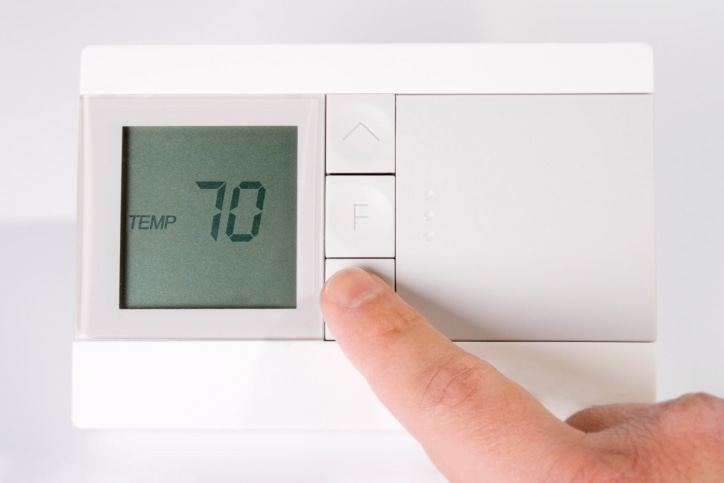
Keeping Your Home Efficient and Comfortable Keeping homes at a comfortable temperature is a top priority for most homeowners and families during extreme weather. When the weather heats up, people naturally turn to their air conditioners for relief and comfort. However, traditional systems lose performance over time—consuming more electricity and driving up utility costs. That’s why energy efficient air conditioning is the smarter choice. These modern units are designed to cool your home effectively while using significantly less energy, reducing your environmental impact and your energy bill. Investing in energy efficient air conditioning means long-term savings, consistent comfort, and a more sustainable lifestyle.Eventually, they need replacing—ideally with a more efficient, cost-effective unit that will reduce future power bills.While price is important, energy efficiency should be your primary concern when shopping for a new unit.More efficient systems consume less electricity and significantly reduce your long-term household energy expenses. Minimum Energy Performance Standards Australian residents benefit from national Minimum Energy Performance Standards for appliances, including air conditioning units.Since 1999, air conditioners sold in Australia must meet these minimum energy efficiency benchmarks.This ensures all approved models meet a baseline level of environmental responsibility and operating performance.Thanks to these standards, buyers can feel confident about the energy credentials of products on store shelves. Not All Air Conditioners Are Created Equal Australia also follows the internationally recognised Energy Star Program for energy efficiency labelling.Originally created in the United States in 1992, this program identifies products that meet strict efficiency criteria.When shopping, look for air conditioners with the Energy Star label—it guarantees energy savings and performance quality.These models often use significantly less energy while delivering consistent cooling results and long-term savings.Choosing an Energy Star unit supports both your wallet and the environment. Going One Step Further Install in the Right Location You can maximise energy efficiency by choosing the right installation location and taking extra setup precautions.Place the air conditioner in a shaded area, away from direct sunlight or heat-generating appliances.Keep the unit level and ensure all internal mechanisms are functioning properly from day one. Avoid Heat Traps Avoid installing the unit near ovens or electronics that emit heat, which could trigger unnecessary cooling cycles.Thermostats placed near these devices may prompt the unit to turn on more often than necessary. Turn Off When Not in Use Turn off your system during long absences to avoid cooling an empty home unnecessarily.Unplug or switch off units when you go to work, run errands, or travel for extended periods. Keep Filters Clean Clean your air filters regularly, as clogged filters restrict airflow and make systems work harder.Dirty filters also reduce the system’s ability to cool your home effectively and efficiently. Seal and Insulate Ductwork Check that your air ducts are properly sealed and insulated to prevent unnecessary energy loss.Any gaps or holes in the ductwork can reduce efficiency and increase your energy costs over time. It doesn’t take much to have a more energy efficient home, especially when choosing the right air conditioning unit.Efficient appliances reduce energy use, lower bills, and support long-term sustainability for your household. Ready to Upgrade Your Home Comfort? Discover energy-efficient air conditioning solutions tailored to your home and budget.Visit Rite Price Heating & Cooling today for expert advice, trusted brands, and free in-home quotes!
Read MoreWhich Natural wood heating system in Adelaide Burn the Best?

Considering a Natural Wood Heater? If you’re installing a natural wood heater, using sustainably harvested wood can result in a zero carbon footprint.CO2 released from burning wood was recently stored, making the environmental impact nearly negligible.Natural wood heating in Adelaide or pellet heaters can do more than lower your utility bills.Various factors influence your buying decision—like material (ceramic or steel) and heat delivery method (convection or radiant).Don’t buy based on looks alone. First, assess your actual heating requirements. Choosing the Best Natural Wood Heating System in Adelaide When choosing a heater, consider safety, room size, insulation effectiveness, and ongoing cost factors.It’s not just about how well the heater burns—it’s about efficiency, venting, and safety features.Look for units with the best heat output and safety credentials to protect your home and family. Radiant and Convective: Which Is More Efficient for Wood Heating Adelaide? Convection heaters cause warm air to rise, which may escape if insulation or airflow management is poor.Poor ceiling insulation or lack of ceiling fans allows heat to escape, reducing energy efficiency.If you’re heating multiple levels, convection may help transfer warmth from downstairs to upstairs.Efficiency depends more on airflow than the type of heating system.Proper air circulation redistributes trapped warmth under doorways and near ceilings for better comfort. Are European Imports the Better Choice? Adelaide buyers often explore European options like Swiss, German, Austrian, or French heaters for their efficiency.European wood heaters offer strong performance and low emissions but may come with a higher upfront cost.Some consumers feel high initial prices outweigh the long-term benefits of lower pollution.Concerned about emissions? Choose models with dual catalytic combustors to reduce gases and particulates in smoke.European imports may not meet Australian safety standards, risking insurance coverage if a fire occurs. Safety First: What Are the Key Factors to Fires? Regardless of heater quality, good fire safety comes from proper use and maintenance.Always keep the heater door closed during operation to minimize risk.Burn only seasoned wood, dried for at least six months, to ensure better combustion and airflow.This reduces the need to open the door and adjust logs mid-burn.Never spread warm ashes on your lawn—ensure they’re completely extinguished first. Get Expert Help for the Right Heater Speak with a home heating specialist to determine the best heater for your home.Have your home’s details ready to help them match the right system for your needs.
Read MoreYou Be the Judge: Comparing Evaporative and Reverse Cycle Air Conditioning
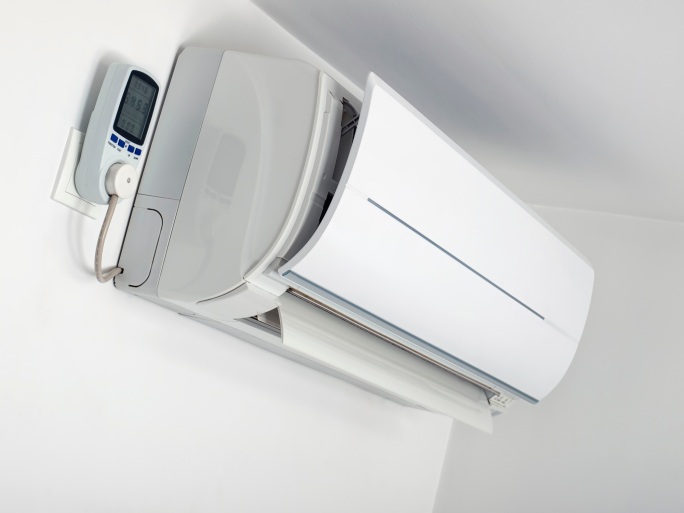
The fiery heat of an Australian summer has proven to be a worthy foe as of late. Most days, the only way to find relief from the blistering sun is to stay indoors, which means that it’s time to figure out which air conditioning unit is best suited for your home. By now you may have discovered that in the world of home air conditioners there are two main options to choose from: evaporative and reverse cycle air conditioning. But which do you choose? There are positive and negatives to both, so set aside some time to learn the quirks of each unit before taking the leap. To find out more about our evaporative cooling options, follow this link. The Upsides of Evaporative Air Cooling Evaporative cooling removes heat from incoming air by using a fan to evaporate water from wet cooling pads.Air with humidity below 100% can absorb water vapour, which cools the air as it passes through the system.The released air contains high moisture, producing a humidifying effect similar to that of a room humidifier.Because large volumes of air flow continuously, evaporative systems never allow air to become stagnant.When properly cleaned, the wet pads can also filter out dust, impurities, and some airborne pollutants. The Downsides of Evaporative Air Cooling There are, however, a few downsides to these units. First, they require an adequate supply of water in order to run. The still water in the tanks can often act as a breeding ground for mosquitoes if not properly maintained. Second, the high humidity level released by these units can cause more discomfort on hot and humid days since the unit is adding to the air’s moisture content. Finally, the humid air may also cause condensation to build up which can be hazardous around electric appliances. Reverse Cycle Air Conditioning: The Ultimate Two-in-one Unit Unlike evaporative air conditioner units, reverse cycle air conditioners can provide both cooling and heating for your home. They are the ultimate two-in-one unit. These systems use a fan, a compressor, a condensing coil, an evaporating coil and a refrigerant to cool (or heat without the refrigerant) the air from your home and redistribute it back into the building. Depending on your needs, this unit can either be a heater or a cooler, hence the name “reverse cycle”. One of the biggest draws of these systems is the comfort control which gives you complete control over which rooms are pumped with treated air. Due to this capability these units are considered to be extremely energy efficient. Additionally, every room of the house will be the same temperature and no matter how hot it may be outside, the temperature inside will remain at exactly the temperature you set it to. Fluctuations in external temperatures have no impact on the system. A reverse cycle unit is also advantageous in humid climates because it pumps dry air into your home. Pricing Comparison: Which System is More Cost Effective? Evaporative cooling is typically the more cost-effective option due to lower installation and maintenance costs.Reverse cycle units still offer strong cost efficiency for the high level of comfort control they provide.Despite higher electricity use, reverse cycle air conditioners remain affordable for consistent comfort.Their heating function is very cost effective—unless temperatures drop below 5°C.This makes reverse cycle air conditioning ideal for mild climates like Adelaide, where temperatures rarely fall too low. Environmental Benefits to Consider Evaporative cooling uses significantly less electricity, making it a more environmentally friendly option.It cools air with water, avoiding harmful greenhouse gases used in synthetic refrigerants.Traditional systems release synthetic refrigerants that damage the environment.Manufacturers now phase out these refrigerants in favour of safer, eco-friendly alternatives.Each system meets different needs, based on your comfort preferences and environmental goals. Choosing What’s Right for Your Home Evaporative and reverse cycle units both solve comfort issues but in very different ways.Homeowners who value full climate control may prefer reverse cycle systems.However, these units may not be as cost effective or eco-friendly as evaporative options.To choose the right system, consider temperature control, overall cost effectiveness, and maintenance time.Balance comfort, budget, and upkeep when selecting your ideal air conditioning solution.
Read More4 Ways You Can Customise Your Air Conditioning System to Make Sure It’s Right for You
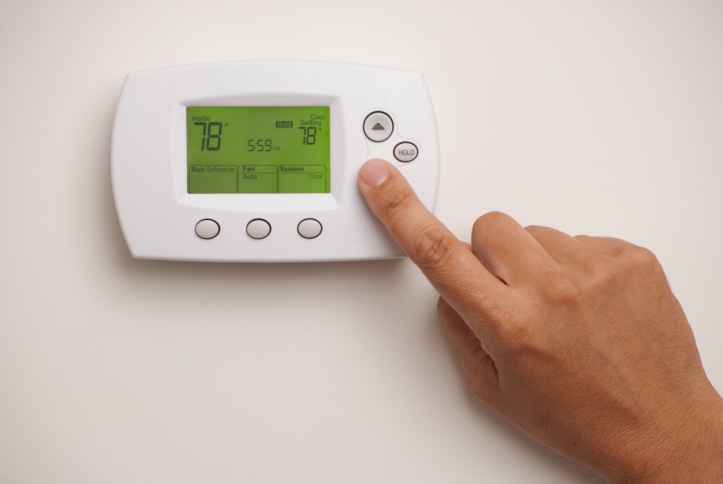
When you decide to install central air, there are a great many choices and options available for custom air conditioning systems. The key is to decide which type of operating unit is right for your needs. The great news is that there are solutions for every type of room, size of room, and home situation you may have. Even that problem room that never seems to get cool enough that you thought was “unfixable” can be addressed. One of these custom air conditioning solutions could be the perfect fix for your home. Less Is More: The Ductless Way The ductless system (sometimes referred to as a mini-head or single split) is the perfect option if you have a heavily glassed-in sunroom or simply don’t have walls that can accommodate duct work. A ductless system is made possible because of a variable-speed inverter that allows units to operate more quietly and far more efficiently (even more efficiently than central air). When it’s mounted high up on a wall, the unit is unobtrusive and placed perfectly to distribute cool air evenly throughout the room. These systems can be used in conjunction with traditional central air. You may also be able to connect up to four indoor units for maximum efficiency. Custom Air Conditioning System for Allergies If you have a person with allergies living in your home or you own pets, you might want to consider having a whole-home air filtration system installed. Some units offer the benefits of bipolar ionization, which can spread ionized oxygen clusters that attach to airborne allergens, such as mould, pollen, and odours. After the clusters attach, they form heavy organic compounds that simply drop out of the air before you have a chance to breathe them in. An Inverter or Digital System Because of advancements in technology, these systems can provide uninterrupted service with significant energy savings. Instead of conventional methods of cooling, a digital system gently increases or decreases the power required to get to the target temperature. There is a reduction in the serious spikes in power usage, which makes these systems an affordable choice for homeowners. Upgrade Your Furnace to Keep Pace With Air Conditioning Since your furnace and air conditioning have many components that work together in order to circulate air and provide year-round comfort, consider updating your furnace. It may be advisable to have your custom air conditioning specialist counsel you on the best furnace options for your total yearly needs. The efficiency of your furnace is tested when air circulates and when humidity is balanced. You can see how cooling and heating systems are evenly matched in terms of dealing with the air in your home. With all the options available, be sure to ask questions of your installation expert so they know your key concerns before purchasing a system. While some elements (like ductless systems) can be added on at a later date, other options need to be chosen well in advance of installation. It’s always best to know what you want before you make a major home purchase, so consider all your options wisely. How Much Wattage Does My Air Conditioning Use? During the cooling season, your air conditioning unit accounts for a big chunk of your monthly utility bills. The amount of power it consumes, though, depends on a wide range of factors. Insulation, sizing and maintenance all play a role in determining how much wattage your air conditioning uses and understanding that power consumption is the first step toward maximizing your air conditioning system’s energy efficiency. As a general reference point, a 3 tonne central air conditioning uses around 3500 watts per hour and a 12,000 BTU window unit uses about 1200 watts per hour. How Air conditioning Work From budget models up to high-end units with Energy Star ratings, every modern air conditioning depends on the same cooling cycle. At the evaporator coil, a chemical called a refrigerant absorbs heat from the indoor air and evaporates, becoming a gas. The air conditioning then pumps the gaseous refrigerant to the condenser coil, where a special pump called a compressor forces it to return to liquid form. In the process, the refrigerant releases that heat outside the home, then returns to the evaporator coil to repeat the cycle. Since air conditioning s do not consume refrigerant, or indeed any other kind of fuel, this process requires plenty of electricity to keep running. The more space the unit has to cool, the more power it will consume to do so. Efficiency Ratings An air conditioning ‘s cooling efficiency is usually measured as its seasonal energy efficiency ratio (SEER). SEER is computed as the air conditioning ‘s cooling output in British thermal units (BTU) divided by its power consumption in watts. SEER values typically range from 10 to 20, with higher ratings denoting more efficient power consumption. To qualify for Energy Star ratings, an air conditioning must have an SEER of at least 14. While manufacturers publish a nominal SEER for each model, the effective SEER depends heavily on environmental factors. In homes with different layouts, insulation and load-generating appliances, the same unit may operate at a higher or lower effective SEER. Thus, the SEER your air conditioning company gives you during the installation process may differ somewhat from the nominal SEER given by the manufacturer. Set Up for Efficiency: Proper Sizing of the Air Conditioning “Bigger isn’t always better” applies perfectly to air conditioning sizing.Oversized systems constantly cycle on and off, reducing efficiency and creating temperature swings.Undersized systems struggle to cool the home and wear out faster from overworking.You need a properly sized unit to cool your home efficiently and avoid energy waste.Start every installation with a professional load calculation tailored to your home’s specifics.Cooling load depends on square footage, layout, insulation, and appliance heat generation.These factors help professionals determine the exact system size your home needs.Don’t assume your current system is the right size—it may have been improperly sized or outdated.Home changes over time can make…
Read MoreEvaporative Air Con FAQ: Evaporative Air Conditioning Prices and Other Commonly Asked Questions
Evaporative Air Conditioner Price: What You Need to Know Evaporative air conditioning is a great way to cool your home and get relief from Australia’s blistering summer heat.Whether you’re buying your first evaporative air conditioner or upgrading an older model, understanding the evaporative air conditioner price matters.You might have questions about the technology, how it works, and how much you should expect to pay.These are all common concerns—and the best way to choose the right system is by understanding how evaporative cooling works.Below, we’ve answered the most frequently asked questions—including the ever-popular “What’s the evaporative air conditioner price range?” What Exactly is an Evaporative Air Conditioner? An evaporative air conditioning system cools your home by evaporating water into incoming air before circulating it throughout your space.As the water turns into vapour, it reduces the air temperature and increases moisture—making it perfect for dry Australian climates.This helps combat dry indoor air while delivering a refreshing breeze of cooled, naturally humidified air throughout the house.With an evaporative air conditioner, you not only feel cooler—you also breathe easier and enjoy a more comfortable home environment. Why Choose Evaporative Air Conditioning Over Other Systems? There are clear benefits to choosing evaporative cooling over refrigerated systems—especially when considering the affordable evaporative air conditioning price.An evaporative air conditioner delivers 100% fresh air while using far less electricity than traditional systems.This makes it not only eco-friendly but also a smart, cost-saving choice for efficient home cooling.With constant airflow, it refreshes your indoor environment, reducing allergens, odours, and airborne particles—perfect for allergy or asthma sufferers.Best of all, the evaporative air conditioning price remains highly competitive, offering value without sacrificing comfort or air quality. Top Evaporative Cooling Brands in Australia In Australia, the most trusted evaporative air conditioner brands are Coolair, Braemar, and Breezair—all made by Seeley International. Coolair Coolair is known for reliable, affordable systems and innovative axial fan technology.Their models offer adjustable motor speeds and built-in safety features, ideal for those wanting control and peace of mind. Braemar Braemar systems use up to 80% less electricity than refrigerated air conditioning, without compromising on performance.Their flagship Paradigm model reflects years of R&D and delivers strong cooling power for Australian conditions. Breezair A global leader, Breezair delivers cutting-edge evaporative cooling with inverter technology and energy efficiency up to 90% better than rivals.Their sealed motor design resists tropical damage, and their systems are trusted in over 110 countries worldwide. What Are the Evaporative Air Conditioner Prices? The evaporative air conditioner price can vary depending on the brand, model, and installation needs.Here’s a general pricing guide to help you compare: Coolair: $1,200 – $1,900 Braemar: $1,700 – $2,200 Breezair: $2,400 – $3,300 Installation costs vary, depending on home layout and ducting requirements.Fortunately, many energy-efficient models cost as little as 4 cents per hour to run.This compares favorably to reverse cycle systems, which can cost up to 75 cents per hour.To get accurate installation costs based on your home, contact Rite Price Heating and Cooling for a free quote.Call 1300 HEATING or 1300 COOLING and speak with a professional today. Evaporative Cooling: A Smart, Modern Choice at the Right Evaporative Air Conditioning Price An evaporative air conditioner represents the future of energy-efficient, natural cooling—at a surprisingly affordable evaporative air conditioning price.These systems are low maintenance, powerful, and eco-friendly—delivering clean, cool air without the high running costs of traditional systems.No matter which brand you choose—Coolair, Braemar, or Breezair—you’re investing in year-round comfort and reliable performance.To explore your options or learn more about current evaporative air conditioning price deals, visit our product page or request a no-obligation quote today.
Read MoreThe 5 Big Mistakes People Make When Selecting Their Evaporative Air Conditioning Unit
Evaporative air conditioners bring many advantages over traditional units, including a low cost of ownership, easy operation, and drier, healthier air that is more breathable. However, if your home isn’t set up to take advantage of the particularly unique features of an evaporative cooler, or if you choose the wrong model for your environment, you could quickly become frustrated with the lack of functionality. That’s why it’s important to take several factors into account when selecting your evaporative air conditioning system. Here are some considerations that people often leave out when buying an evaporative air conditioning unit. Purchasing an Evaporative Air Conditioner for Use in a Dry Climate It might sound obvious, but many people misunderstand how an evaporative air conditioner works.If you don’t live in a dry climate like Southern Australia, evaporative AC might not be effective.Evaporative cooling relies on water evaporation to cool the air—it works best in low-humidity conditions.Without dry air to evaporate water, an evaporative air conditioner can’t reduce the surrounding temperature effectively.That’s why hot and dry areas like Australia are ideal for using evaporative cooling units. Not Knowing the Size of the Space You Want to Cool A swamp cooler can benefit your space—but only if it’s properly sized.The size of your cooling area determines which unit you should choose.Choosing a unit too large wastes money; too small and it won’t cool the space effectively.Evaporative air conditioners are rated by CFM: Cubic Feet per Minute.CFM measures how much air a unit can move per minute.Your system should recycle the room’s air at least 20 times per hour.The higher the CFM, the faster the cooler can drop the room temperature.You can calculate CFM yourself, but bringing dimensions to a licensed dealer is better.Dealers understand model-specific technologies that may affect cooling performance and energy use. Thinking That Price Equals Cost As with many products, the upfront price of an evaporative air conditioning unit doesn’t reflect total ownership cost.More expensive models usually offer better build quality and long-term efficiency—not just flashy features.Marketing often promotes extra features (grade), but durability and performance depend on design quality.Added features are helpful, but quality should always come first in essential appliances.A well-built evaporative air conditioning unit delivers better comfort, reliability, and long-term savings. Underestimating the Power of Inverter Technology Inverter technology has transformed cooling efficiency by allowing precise, continuous control of output temperatures.Only one brand has successfully integrated this tech into evaporative systems—Breezair, made locally in Southern Australia.Breezair is the world’s first inverter ducted evaporative air conditioner, and it’s sold in over 100 countries.This compact unit offers a balanced mix of size, performance, and pricing.Thanks to inverter technology, it runs using the energy of just one light bulb.Its powerful centrifugal fan pushes a wide, refreshing breeze through your space effortlessly. Failing to Upgrade the Home’s Insulation After purchasing the best evaporative air conditioner, consider upgrading your home’s insulation.Better insulation improves your system’s ability to cool and maintain a comfortable temperature.Simple upgrades like door snakes or sealing window gaps can boost cooling efficiency significantly.These small changes reduce energy loss and enhance your AC’s effectiveness. If you’re considering a new evaporative air conditioning unit, be sure to understand how it differs from traditional systems.Avoiding these common mistakes helps ensure better cooling, comfort, and long-term performance.Still unsure? Contact our team at Rite Price by calling 1300 COOLING for personalised support and recommendations.Our experienced staff can help you choose the ideal unit based on your space, climate, and budget.For more information on evaporative cooling, please visit our page.
Read More