Carbon Monoxide vs. Natural Gas: Understanding the Difference and Staying Safe in Australia
The Importance of Understanding Gas Safety in the Home
Whether you’re heating your home, cooking on a stovetop, or using a hot water system, gas appliances play a vital role in modern Australian households. But while carbon monoxide and natural gas are often discussed in the same context, they are fundamentally different. Understanding carbon monoxide vs natural gas safety and how these gases behave is essential. Misunderstandings can lead to serious health risks—or worse, fatalities.
In this guide, we’ll break down the essential differences between carbon monoxide and natural gas, explain the risks they pose, how they behave, and most importantly, how you can protect yourself and your family through prevention and awareness.
What Is Natural Gas?
Natural gas is a fossil fuel composed primarily of methane. It’s widely used across Australia for residential and commercial energy needs, especially for heating and cooking.
Key Characteristics of Natural Gas:
- Main component: Methane (CH₄)
- Odourless in its natural state (but an odorant is added for safety)
- Highly flammable
- Lighter than air, so it rises and disperses in open air
- Used in appliances: Heaters, ovens, stovetops, and water heaters
To make natural gas detectable, gas providers add ethyl mercaptan, a harmless chemical with a strong “rotten egg” smell, making leaks easier to identify.
What Is Carbon Monoxide?
Carbon monoxide (CO) is a byproduct of incomplete combustion of carbon-based fuels like gas, coal, wood, and petrol. Unlike natural gas, it has no smell, colour, or taste, making it incredibly hard to detect without a proper CO detector.
Key Characteristics of Carbon Monoxide:
- Chemical formula: CO
- Odourless and invisible
- Slightly lighter than air, but behaves similarly indoors
- Highly toxic—even in small amounts
- Produced by: Faulty gas appliances, blocked flues, vehicle engines, charcoal grills, and open fires
The Dangers: Why Carbon Monoxide Is So Deadly
Carbon monoxide is often called the “silent killer” because it can build up indoors without any warning. When inhaled, CO binds to haemoglobin in the blood more effectively than oxygen, starving vital organs of oxygen and leading to poisoning.
Symptoms of Carbon Monoxide Poisoning:
- Headache
- Nausea or vomiting
- Dizziness
- Confusion
- Weakness or fatigue
- Shortness of breath
- Loss of consciousness
- In severe cases: Death
These symptoms often mimic those of the flu, making early detection even more difficult.
The Dangers of Natural Gas Leaks
Natural gas leaks are dangerous primarily because of their high flammability. A small spark from a light switch, electrical appliance, or static electricity can ignite the leaked gas and cause an explosion or fire.
Signs of a Natural Gas Leak:
- Strong “rotten egg” smell
- Hissing or whistling sounds near gas lines
- Dead or discoloured plants near outdoor gas lines
- Bubbling in water near gas pipes
- Physical symptoms like dizziness, headaches, or nausea (if indoors)
Carbon Monoxide vs Natural Gas: The Critical Differences
While both pose safety risks, it’s important to know how they differ:
Natural Gas
- Source: Fuel used in appliances
- Smell: Rotten egg (added odorant for detection)
- Visibility: Invisible
- Behaviour: Rises and disperses in air
- Risk: Fire or explosion
- Detectability: Detected by smell and gas detectors
Carbon Monoxide (CO)
- Source: Byproduct of incomplete combustion
- Smell: Odourless
- Visibility: Invisible
- Behaviour: Slightly lighter than air, mixes evenly in indoor spaces
- Risk: Poisoning or death
- Detectability: Detected only with a carbon monoxide (CO) detector
Recognising the differences between carbon monoxide natural gas risks is critical for household safety.
Real-World Risks in Australian Homes
In Australia, tragic incidents have highlighted the risk of carbon monoxide exposure from unmaintained gas appliances. Multiple cases in Victoria and South Australia involved open-flued gas heaters leaking CO into inadequately ventilated spaces.
As a result, Energy Safe Victoria (ESV) has banned certain open-flued gas heaters and recommends regular servicing along with the installation of CO detectors to ensure safe operation.
How to Stay Safe: Prevention Tips for Both Gases
Adopting safe practices is your first line of defence against both carbon monoxide and natural gas dangers.
Natural Gas Safety Tips:
- Turn off the gas at the meter if a leak is suspected
- Open windows and evacuate the area immediately
- Avoid using phones, appliances, or switches near a suspected leak
- Call your gas provider or emergency services from outside the home
- Never attempt to fix a gas leak yourself
Carbon Monoxide Safety Tips:
- Install CO detectors near sleeping areas and gas appliances
- Have gas appliances professionally serviced every 1–2 years
- Avoid using outdoor appliances (e.g., barbecues, camp stoves) indoors
- Ensure proper ventilation in rooms with gas heaters
- Check flues and chimneys for blockages or damage
By addressing both carbon monoxide natural gas hazards with diligence, homeowners can significantly reduce risk.
Installing a Carbon Monoxide Detector: A Must-Have in Every Home
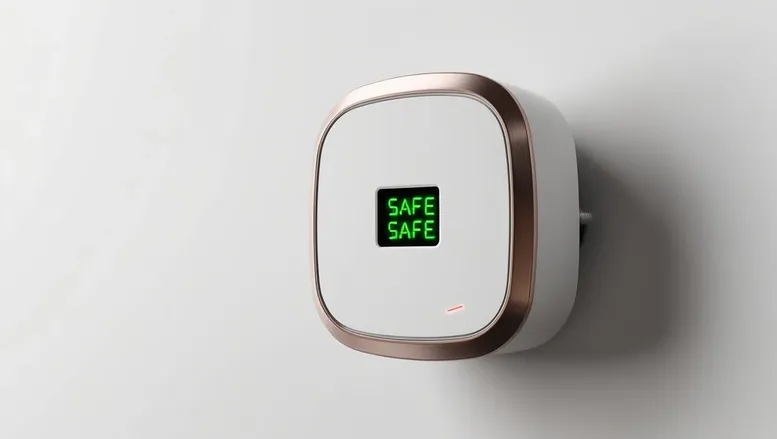
Because CO is undetectable without equipment, a carbon monoxide detector is the most reliable safeguard.
Placement Tips:
- Install one near each sleeping area
- Additional detectors near gas heaters, fireplaces, or gas appliances
- Mount about 1.5 metres from the floor or ceiling (follow product guidance)
- Avoid placing near windows or vents that may disperse gases prematurely
Test detectors monthly, replace batteries every 6–12 months, and replace the entire unit every 5–7 years.
Gas Appliance Maintenance: The Best Defence
Routine servicing of gas appliances is essential to prevent both gas leaks and CO emissions.
What’s Included in a Professional Gas Appliance Service:
- Carbon monoxide testing
- Cleaning of burners and components
- Inspection for cracks, corrosion, or blockages
- Ventilation and airflow testing
- Gas pressure evaluation
Only licensed gas fitters should carry out this work. Always check their credentials and request a compliance certificate once the job is done.
Regional Requirements: Victoria and South Australia
Victoria
- Mandatory gas safety checks every two years for rentals (under updated tenancy laws)
- Ban on specific open-flued gas heaters
- ESV recommends carbon monoxide testing during each gas service
South Australia
- No legal mandate, but annual servicing is strongly recommended by SA Health
- In cities like Adelaide, gas heating is common, making pre-winter servicing a smart move
- Awareness campaigns have led to increased use of CO detectors in SA homes
What To Do If You Suspect Carbon Monoxide Poisoning
If symptoms arise or your CO detector sounds:
- Move everyone to fresh air immediately
- Open all windows and doors
- Turn off any gas appliances if it is safe to do so
- Call Triple Zero (000) for emergency assistance
- Do not re-enter the premises until cleared by a qualified professional
Even in the absence of symptoms, any CO detector alert should be treated seriously.
Summary: Carbon Monoxide vs Natural Gas. Stay Informed, Stay Protected
Understanding carbon monoxide vs natural gas differences can literally save lives. In Australia, where gas appliances are part of everyday life, proper awareness and maintenance practices are essential. While natural gas supports modern comfort, carbon monoxide represents a silent danger when appliances go unchecked.
By installing CO detectors, maintaining gas systems, and following local safety regulations, homeowners can enjoy the benefits of gas while minimizing risk.
Final Checklist for Gas Safety in Australia
- Install carbon monoxide detectors near sleeping areas and gas appliances
- Schedule regular servicing for all gas heaters and systems
- Never block flues or vents
- Maintain good ventilation in rooms with gas heaters
- Learn the symptoms of carbon monoxide poisoning
- Call a licensed gas fitter at the first sign of a problem
- Follow regional compliance laws and servicing recommendations
Rebates: What to Know About SA REPS & VIC VEU
SA REPS (South Australia)
- Offers incentives for households and businesses to reduce energy use.
- Rebates are commonly applied to:
- Installation of energy-efficient gas heaters
- Replacement of old gas heaters with high-efficiency models
- Some maintenance or service work may be covered if bundled with eligible upgrades
VIC VEU (Victoria)
- Focuses on reducing greenhouse gas emissions through appliance upgrades.
- Commonly provides incentives for:
- High-efficiency heating and cooling system installations
- Gas heater replacements
- Servicing is generally not directly rebated unless it contributes to an efficiency upgrade or part of a larger project
✅ What You Can Do:
Ask if they are a participating provider or partner with an accredited provider who can apply the rebate on your behalf.
Contact Rite Price directly to confirm if their service qualifies under SA REPS or VIC VEU.
Ready to Upgrade Your Home’s Comfort and Safety?
Whether you’re looking to stay warm through winter or ensure your appliances are operating safely and efficiently, Rite Price Heating & Cooling has you covered.
Explore our full range of gas hot water heaters for reliable, energy-efficient performance. Need a compact solution? Our gas space heaters are perfect for bedrooms, living rooms, and smaller areas.
For whole-home comfort, we also offer expert heating and cooling services across Adelaide.
Book your service, upgrade your system, or request a free quote today.
Visit Rite Price Heating & Cooling to get started.