Is It Safe to Leave Your Gas Heater On Overnight?
The Real Risks of Overnight Heating
Leaving your gas heater on overnight in Australia may seem convenient, but choosing to leave gas heater overnight comes with significant risks that every homeowner should understand. From carbon monoxide (CO) poisoning to potential fire hazards, operating gas heaters while you sleep can expose your household to dangers that are often silent and undetectable.
While types of gas heaters vary in design and risk level, experts across Australia—including Energy Safe Victoria and NSW Health—consistently advise against using gas heaters overnight. This blog provides a detailed breakdown of the risks, safety precautions, and recommendations based on the type of heater you’re using.
Understanding the Threat: Carbon Monoxide
Carbon monoxide is a colourless, odourless gas produced by incomplete combustion of fuel. Gas heaters, especially older or unmaintained ones, can emit dangerous levels of CO, particularly when used in poorly ventilated spaces.
Why is CO so dangerous?
When inhaled, carbon monoxide binds to hemoglobin more effectively than oxygen, reducing the blood’s ability to deliver oxygen to vital organs. The result can range from mild discomfort to fatal poisoning—especially while you’re asleep and unaware of symptoms.
Symptoms of Carbon Monoxide Poisoning by Severity
Mild
- Headache
- Dizziness
- Nausea
- Fatigue
- Weakness
Moderate
- Severe headache
- Drowsiness
- Confusion
- Vomiting
- Shortness of breath
Severe
- Loss of consciousness
- Seizures
- Chest pain
- Irregular heartbeat
- Death
Fire Hazards: Another Overnight Risk
Beyond carbon monoxide, another major danger if you leave gas heater overnight is the risk of fire. Flammable materials placed near heaters, faulty components, or ventilation blockages can cause fires when left unattended.
During sleep, your ability to detect and respond to fire is drastically reduced. And in the event of simultaneous carbon monoxide exposure, the risk of becoming unconscious before escaping is heightened—making the decision to leave gas heater overnight especially hazardous.
Ventilation: Helpful but Not Foolproof
While proper ventilation is critical in reducing CO and gas build-up, it is not a fail-safe. Especially in modern, airtight homes, air circulation may still be insufficient to fully prevent CO accumulation.
Tips for Ventilation:
- Keep a window slightly open
- Avoid using exhaust fans near gas heaters (especially open-flued types)
- Never block air vents
However, relying solely on airflow—particularly overnight—is not enough. That’s where heater type becomes key.
Gas Heater Types: Which Are Safer for Overnight Use?
Unflued Gas Heaters
- Risk: Releases all combustion byproducts—including carbon monoxide—directly into the room.
- Overnight Use: Never recommended, especially in bedrooms.
- Mitigation:
- Ensure excellent cross-ventilation (day use only)
- Consider switching to flued or electric alternatives
Open-Flued Gas Heaters
- Risk: Can back-draft CO into living areas if flue is blocked or if ventilation is poor.
- Overnight Use: Avoid, unless necessary and with extreme caution.
- Mitigation:
- Service every 2 years or annually
- Don’t use exhaust fans concurrently
- Ensure flues are unblocked and professionally installed
Room-Sealed (Flued) Gas Heaters
- Risk: Minimal, as combustion happens in a sealed chamber and vents outdoors.
- Overnight Use: Lower risk but still discouraged due to possible malfunctions.
- Mitigation:
- Professional installation only
- Maintain clear air inlets/outlets
- Schedule regular maintenance
Summary Table: Gas Heater Types & Overnight Use
- Unflued
- Safety Concern: CO and NO₂ build-up
- Use Overnight: No
- Strategy: Avoid completely for bedrooms
- Open-Flued
- Safety Concern: CO backdraft from flue
- Use Overnight: Not recommended
- Strategy: Service regularly, no fans nearby
- Room-Sealed
- Safety Concern: Low, but still risk of faults
- Use Overnight: Generally not advised
- Strategy: Licensed install, check vents
Official Safety Guidelines in Australia
Energy Safe Victoria (ESV)
- Advises against leaving gas heaters on overnight
- Strongly recommends servicing every 2 years
- Emphasises need for CO testing and licensed professionals
NSW Health
- Explicitly warns against overnight use of unflued gas heaters in bedrooms
- Recommends proper room ventilation
- Encourages installation of CO detectors
Industry Experts
- Manufacturers and gas appliance companies generally align with state advice
- Recommend room-sealed heaters if heater must be run for long periods
- Reiterate importance of annual servicing to ensure safety
Pro Tips for Safer Gas Heater Use
Regular Professional Maintenance
Every heater should be inspected by a licensed gasfitter at least every two years—preferably annually. Servicing includes:
- CO leak testing
- Burner and flue inspection
- Safety shut-off checks
- Airflow assessment
Install Carbon Monoxide Detectors
CO detectors are essential in homes with any gas heating. Remember:
- Place near sleeping areas
- Check battery monthly
- Replace units every 5–7 years
Note: CO detectors do not detect natural gas. Use separate gas leak detectors for that purpose.
Safe DIY Practices (Between Services)
While professional checks are a must, homeowners can:
- Keep heaters clear of clutter and flammable items
- Clean dust and lint from vents
- Avoid using heaters with discolored/yellow flames
- Monitor pilot lights and strange odours
- Check for gas leaks using the soapy water test
Alternative Heating Options for Overnight Comfort
If overnight heating is a must, consider safer alternatives:
- Electric oil column heaters (no combustion)
- Split system reverse-cycle air conditioners
- Electric panel heaters with thermostats and timers
These options eliminate the risks of CO and gas leaks while still offering effective heating.
Conclusion: Should You Leave Your Gas Heater On Overnight?
In short: No, it’s not safe.
Even with modern, room-sealed gas heaters, overnight use introduces avoidable risks.
To ensure your home remains safe and warm:
- Avoid overnight gas heater use
- Service your heater annually
- Install a CO detector
- Use safer alternatives for overnight heating
These measures offer peace of mind while maintaining household comfort throughout winter.
Rebates: What to Know About SA REPS & VIC VEU SA REPS (South Australia)
In South Australia, the SA REPS (Retailer Energy Productivity Scheme) offers rebates to help households and businesses reduce energy consumption. These incentives commonly apply to the installation of energy-efficient gas heaters or replacing outdated systems with high-efficiency models. While routine maintenance and servicing are not always covered, some service work may be eligible if bundled with a qualifying upgrade. In Victoria, the VEU (Victorian Energy Upgrades) program supports efforts to lower greenhouse gas emissions through appliance upgrades. Rebates typically apply to the installation of high-efficiency heating and cooling systems or gas heater replacements. However, standalone servicing is generally not covered unless it’s part of a broader efficiency project. To find out if your gas heater service is eligible, it’s best to contact Rite Price Heating & Cooling directly and ask if they partner with accredited providers under SA REPS or VEU who can apply the rebate on your behalf.
Ready for Your Annual Gas Heater Service?
Don’t wait until winter strikes—or worse, until it’s too late.
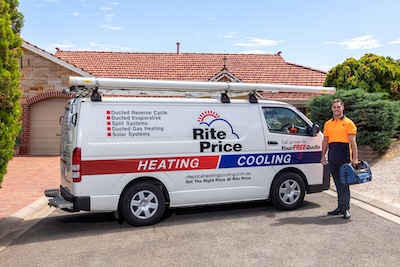
Rite Price Heating & Cooling offers licensed gas servicing, installations, and repairs across Adelaide and surrounding areas.
✅ Book Your Professional Service Now:
Ensure your home is safe, efficient, and compliant—starting today.