TYPES OF AIR CONDITIONERS
Air conditioners were a luxury in the past. If you lacked the financial resources, dealing with the extreme weather conditions on your own could be an inconvenience in your home or office. However, times have changed. With the technological advances going on, air conditioners that are both efficient and affordable are now available in the market even for those who are running on a limited budget, giving rise to many different types of air conditioners.
Life has been comfortable with air conditioners around. You don’t have to sweat too much on a hot sunny day while winters could now be bearable. You just have to pick the right air conditioner that suits you and your space.
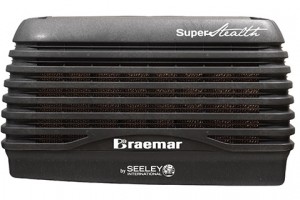 There are many factors that have to be considered while shopping around for the types of air conditioners you need for both your office and your home. Air conditioning efficiency, the unit to be installed, the size of your space, and cost are just a few of the factors.The different types of air conditioners have their own special features. Whichever air conditioner you pick for your home or office, what matters at the end of the day is the comfort that it brings. After all, you and your home deserve only the best.
The following are the most common types of air conditioners you could choose from depending on your needs:
Split System Air Conditioners are types of air conditioner
Among the types of air conditioners that could never fail in satisfying your needs, this option is one of the most popular. The split system air conditioner is composed of two main units: the compressor located outside and the evaporating system placed inside the house. Warm air from the environment is converted into cool air that is delivered into the area. These types of air conditioners are ideal for cooling a room or a certain area in the house. You may install several evaporators connected to just one compressor to cool multiple rooms.
Compared to centralised air conditioners, this traditional type offers less energy loss during the process of air conditioning because the mechanism is confined to only two compact units, thus allowing less air to escape. Since it simply focuses on a certain space, it provides more reliable cooling. Though multiple evaporating systems may be installed, this still allows you to save energy because you may safely turn off the units you don’t need.
Window air conditioners are types of air conditioners
The box-type air conditioners are those that could be installed through a wall or a window frame. They are small enough to fit in a space that should be closed down on the unit. They are plugged and turned on through a control installed in the air conditioner unit or from a remote control. You may adjust the temperature depending on how chilly you want the room to be.
These types of air conditioners are ideal for cooling small spaces such as bedrooms because of their compact design. Since they come in handy, though, they do not provide effective cooling to large spaces. This type doesn’t provide centralised air conditioning, so the number of units to be installed should be proportional to the space being cooled to ensure efficiency. Many houses provide one air conditioner per bedroom, which could be turned on and off when needed.
Ducted Refrigerated Air Conditioners Are Different Types of Air Conditioners
Why Homeowners Choose Ducted Refrigerated Systems
Centralised or ducted refrigerated air conditioning offers homeowners the convenience of complete climate control throughout the house.
Unlike traditional units that require multiple indoor installations, this system keeps your space clean and uncluttered by housing the main components out of sight.
Installers typically place the ducts in the ceiling or high on the walls, which maximizes floor space and creates a streamlined, modern look.
This has made ducted systems increasingly popular among homeowners and small business owners seeking both comfort and aesthetic appeal.
Energy-Saving Zoning Capabilities
Even though ducts run through various areas of the home, you can control airflow using a central wall-mounted controller.
You can shut off cooling in unused rooms and redirect it where it’s needed most, allowing you to save energy and cut costs.
Heating with Ducted Reverse Cycle Systems
Some ducted refrigerated systems function as reverse cycle air conditioners, offering both cooling and heating capabilities.
By reversing the cooling cycle, the system draws cold air from outside and transforms it into warm indoor air.
This dual-function setup works best in regions with seasonal climate changes, but may not be necessary in consistently warm environments.
Key Considerations Before Installing
Before installing a ducted refrigerated system, you need to evaluate more than just the price.
Consider the following:
High upfront cost
Ongoing maintenance and energy consumption
House layout and floor plan
Window and door orientation
Ceiling cavity space
Outdoor unit placement
A professional can help assess whether your home suits this advanced system.
Ducted Evaporative Cooling Air Conditioners Are Types of Air Conditioners
How It Works
Ducted evaporative cooling systems use a natural cooling process.
They draw warm air into wet filter pads, cool it, and then distribute fresh air through ducts into different rooms.
The air gets replaced every few minutes, ensuring a constant flow of clean, fresh air throughout the space.
Eco-Friendly Benefits
Consumers prefer evaporative cooling because it offers more environmental advantages than refrigerated units.
This system:
Uses less electricity
Consumes less energy overall
Doesn’t rely on synthetic refrigerants
Draws from natural atmospheric gases
You can keep doors and windows open while using it, making it ideal for open-plan homes.
Learn More
If you want to explore the full range of benefits that evaporative cooling offers, visit the
Evaporative Cooling Page at Rite Price Heating & Cooling