You Ask, We Answer: How Does Split System Air Conditioning Work?
Homeowners Want Smart, Affordable Heating and Cooling Solutions
Homeowners make many upgrades over time to keep their homes comfortable and running efficiently.
Budget-friendly repairs and upgrades are always a priority, especially with big-ticket systems like heating and cooling.
If your HVAC system needs replacing, you may wonder whether a split heating system or central system is better.
Understanding how split system air conditioning works will help you decide if it’s the right solution for your needs.
The Difference Between a Central Unit and a Split System
Central systems control temperatures across large areas or the whole home using a single thermostat.
Smaller homes often have one temperature zone, while larger homes may use zoning for two or more areas.
In contrast, split systems provide dedicated control for individual zones or rooms, offering precise climate control.
This enhanced control leads to better comfort, reduced energy use, and fewer household disagreements about thermostat settings.
The Ducts Required for a Split System
Traditional central systems require extensive ductwork running through walls and ceilings to distribute heated or cooled air.
Installing ductwork increases cost, time, and complexity—especially in homes not already fitted with ducted systems.
Split systems avoid this entirely by requiring no ducts, making them faster and cheaper to install.
Less structural disruption means a cleaner, easier setup for homeowners upgrading or renovating.
How Split System Air Conditioning Works
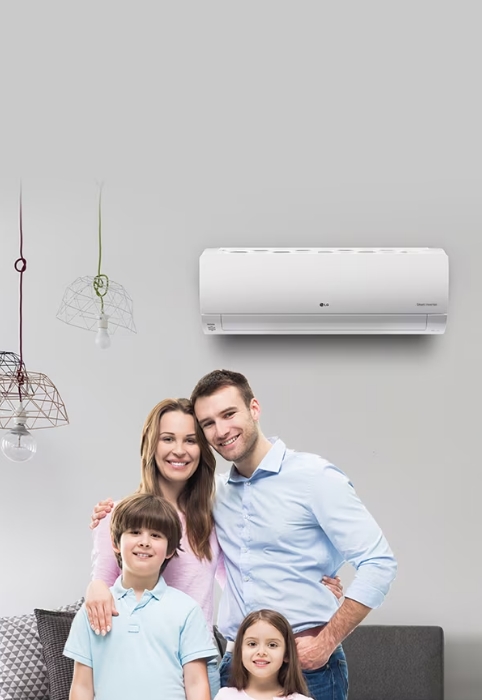
A split system includes both an indoor and outdoor unit connected by electrical wiring and refrigerant tubing.
The outdoor unit handles heat exchange, while the indoor unit delivers warm or cool air directly into the room.
Each unit usually serves a specific room or zone within your home.
Installation is faster than central systems but should still be completed by qualified professionals.
The Benefits of a Split System
Split systems offer room-by-room control, meaning you only heat or cool the spaces you’re using.
This targeted comfort improves energy efficiency and saves you money on heating and cooling bills.
Reduced energy waste also benefits the environment while maintaining your ideal indoor temperature.
Multiple units reduce arguments over thermostat settings since each person controls their room’s comfort.
Installation is faster, and costs are typically lower than a full central system replacement.
Split systems also eliminate the need for invasive ductwork, preserving your home’s interior.
Before You Make Your Purchase
Before buying, check the system’s BTU rating to match the unit size with your room size.
Correct sizing ensures better performance and prevents wasted energy.
You should also consider how the unit’s design fits with your home’s interior style.
Many models come in sleek black, white, or neutral tones to match different aesthetics.
Review costs, brand reputation, customer reviews, and warranty coverage to ensure value.
Prioritise models with high energy efficiency ratings and strong after-sales support.
Final Thoughts: Is a Split System Right for You?
A split system offers excellent energy savings, temperature control, and fast installation—but it’s not for every home.
Compare installation and operation costs against central systems before making your final decision.
If you value room-specific control, lower installation disruption, and energy efficiency, a split system may be ideal.
Take time to assess your household needs and consult an expert before committing to your next HVAC upgrade.
Need advice? Visit Rite Price Heating & Cooling or call 1300 COOLING for personalised split system recommendations tailored to your home.