Gas Heating 101: A Beginner’s Guide for Homeowners
Introduction
Stepping into your first home is exciting—but it also comes with new responsibilities, especially when it comes to understanding the systems that keep your home comfortable and safe. One of the most essential systems, particularly in colder climates like Victoria and South Australia, is your heating system. Among the many options available, gas heating remains one of the most popular for its efficiency, power, and reliability. Whether you’re exploring gas heating in Adelaide or looking into ducted gas heating in Victoria, this gas heating 101 guide is here to help you understand how these systems work, how to stay safe, and how to keep everything running smoothly year after year.
This comprehensive guide will walk you through everything you need to know—from how gas heating works and the types of systems available, to safety practices, maintenance tips, and how to evaluate long-term energy efficiency. Whether you’re just settling into a new home or planning a heating upgrade, this guide will help you make confident, informed decisions to keep your space warm, safe, and energy-smart.
The Inner Workings: Fundamental Principles of Gas Heating
Gas heating systems rely on a series of carefully coordinated steps, all triggered by your thermostat. When the indoor temperature dips below your desired setting, the thermostat signals your furnace to begin the heating cycle.
Natural gas—or propane in areas without gas lines—flows into the combustion chamber, where it’s ignited by an electronic spark or pilot light. The resulting heat is transferred to the heat exchanger, which warms the air without allowing combustion gases to mix with the indoor air. A blower motor then circulates this warmed air throughout your home via ducts and vents.
This gas heating 101 process continues until the desired temperature is reached, at which point the furnace shuts off. The system is designed to operate efficiently and safely, keeping the combustion gases vented outside while delivering steady, reliable heat to your living space.
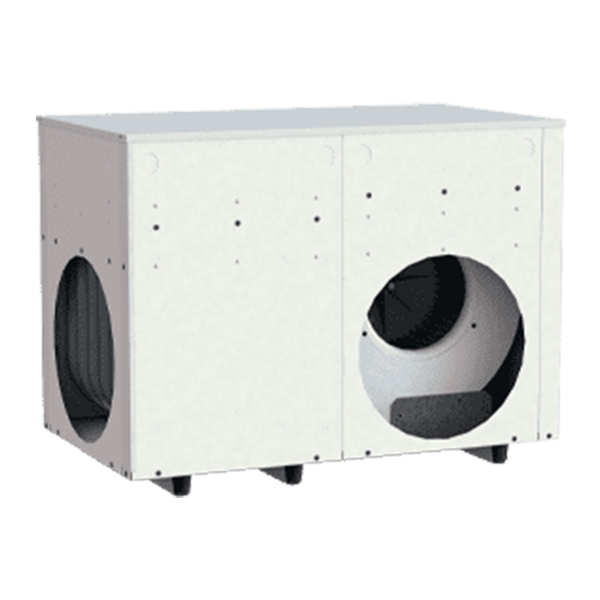
Choosing the Right Fit: Common Types of Gas Heating Systems
Not all gas furnaces are created equal. Here’s a breakdown of the most common types, categorized by their gas valve operation:
Single-Stage Furnaces
These furnaces operate at full capacity whenever they’re on. While affordable upfront, they can cause temperature swings and may be less energy-efficient in milder climates.
Two-Stage Furnaces
Offering both a low and high setting, two-stage systems provide more consistent temperatures, better energy savings, and quieter operation—a smart middle-ground for many homeowners.
Modulating Furnaces
Top-of-the-line in terms of efficiency and comfort, modulating furnaces can adjust output in small increments, maintaining temperatures within half a degree of your thermostat setting. They’re also the quietest and most energy-efficient, though they come with the highest upfront cost.
Alternative Gas Heating Configurations
- Forced-air systems: Most common, using ductwork to distribute warm air.
- Hydronic systems: Use gas to heat water circulated through radiators or floor tubing.
- Ductless mini-splits: Great for homes without ducts, offering zoned heating.
- Combo systems: Combine heating and cooling in one unit.
- Space heaters: Portable or wall-mounted options for supplemental heat.
Safety is Paramount: Essential Precautions for Gas Heating
Because gas is a flammable fuel, safety is non-negotiable. Here are key precautions every homeowner should take:
Install Carbon Monoxide (CO) Detectors
CO is odorless and deadly. Install detectors on every floor, especially near bedrooms and the furnace. Test monthly and replace every 5–7 years.
Recognize Gas Leaks
Natural gas has a distinctive rotten egg smell. If detected:
- Evacuate immediately
- Avoid using electronics
- Call emergency services from a safe location
Schedule Annual Professional Servicing
A certified technician should:
- Inspect for cracks and leaks
- Test for CO emissions
- Check burners, gas pressure, and venting
Keep Vents and the Furnace Area Clear
Ensure outdoor vents are free from snow, leaves, or debris. Inside, maintain at least 30 inches of clearance around your furnace and never store flammables nearby.
Monitor the Flame and System Behavior
A blue flame is ideal. Yellow, orange, or flickering flames may signal a problem. Unusual noises, soot stains, or strong odors also warrant immediate professional attention.
Simple Steps, Long Lifespan: Basic Maintenance Tasks and Tips
Even if you rely on professionals for yearly inspections, these simple maintenance steps can go a long way:
Replace Air Filters
Change filters every 1 to 3 months to improve airflow, efficiency, and air quality. Always match the correct size and follow the airflow arrows when installing.
Clean Vents and Registers
Dust and vacuum supply and return vents regularly to prevent debris buildup and improve airflow.
Inspect Outdoor Vents
Especially in winter, check for obstructions like snow or leaves that can block airflow or trap exhaust gases.
Clean the Flame Sensor (If Comfortable)
If the furnace isn’t igniting, a dirty flame sensor could be to blame. Carefully clean it with a Scotch-Brite pad after turning off power—and always consult your manual.
Maintain the Condensate Drain (for High-Efficiency Units)
Flush with distilled vinegar or bleach every 6 months to prevent clogs and water damage.
Weighing Your Options: Advantages and Disadvantages of Gas Heating
Advantages
- Lower operating costs (in many regions)
- Faster heating performance
- Compatibility with hybrid/dual-fuel systems
- Continued use of some appliances during power outages
- More comfortable and intense heat output
Disadvantages
- Risk of carbon monoxide exposure and gas leaks
- Electricity still required for blower and controls
- Higher upfront installation costs
- Shorter lifespan than electric systems in some cases
- Environmental impact from fossil fuel combustion
- More complex maintenance requirements
Choosing the right system depends on your climate, budget, fuel availability, and personal priorities—whether it’s comfort, sustainability, or long-term savings.
How Furnace Efficiency Is Measured in Australia
In Australia, heating systems (including gas heaters) are typically rated using the Star Rating system governed by the Gas Energy Rating Label, managed by the Australian Gas Association (AGA) and regulated under the Gas Appliance (Energy Labelling) Standard.
Key points:
- The Star Rating system uses a 6-star scale to indicate the energy efficiency of gas heating appliances.
- Higher star ratings mean greater efficiency and lower running costs.
- It measures the annual efficiency of the unit based on standard Australian climate conditions and usage patterns.
For example:
A 5.5-star heater can reach efficiencies above 90%, comparable to a high-AFUE condensing furnace
A 3-star gas heater may have an efficiency of around 60–65%
Conclusion: A Warm and Safe Home
Mastering the basics of gas heating is one of the most valuable steps a new homeowner can take toward a comfortable, efficient, and safe living space. From understanding how the system works to evaluating AFUE ratings and practicing routine maintenance, you now have the tools to confidently manage your home’s heating needs.
This gas heating 101 guide is just the beginning—always prioritize safety, schedule regular servicing, and don’t hesitate to consult HVAC professionals when in doubt. With a little knowledge and attention, your gas heating system will keep your home warm and welcoming for many winters to come.
Rebates: What to Know About SA REPS & VIC VEU
SA REPS (South Australia)
- Offers incentives for households and businesses to reduce energy use.
- Rebates are commonly applied to:
- Installation of energy-efficient gas heaters
- Replacement of old gas heaters with high-efficiency models
- Some maintenance or service work may be covered if bundled with eligible upgrades
VIC VEU (Victoria)
- Focuses on reducing greenhouse gas emissions through appliance upgrades.
- Commonly provides incentives for:
- High-efficiency heating and cooling system installations
- Gas heater replacements
- Servicing is generally not directly rebated unless it contributes to an efficiency upgrade or part of a larger project
✅ What You Can Do:
- Contact Rite Price directly to confirm if their service qualifies under SA REPS or VIC VEU.
- Ask if they are a participating provider or partner with an accredited provider who can apply the rebate on your behalf.
Ready to Make Your Home Warmer, Safer, and More Efficient?
If you’re a new homeowner in South Australia or Victoria looking to get the most out of your gas heating system, now is the perfect time to take action. Whether you’re just starting your gas heating 101 journey or ready to optimize your system’s performance, we’re here to help with expert inspections and personalized energy efficiency advice.
Schedule your professional furnace check-up, request a free consultation, or speak with one of our HVAC specialists today to stay comfortable and confident all season long.
Don’t wait for a breakdown—stay ahead with smart, reliable service.
Request a free quote today: https://ritepriceheatingcooling.com.au/