Inefficient Air Conditioning System Could Affect Your Finance
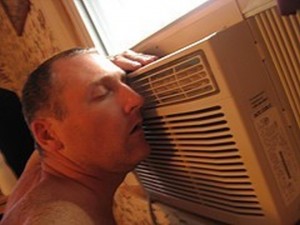 Inefficient air conditioning systems make it difficult to achieve the best air quality for your family and also your inefficient air conditioning unit can negatively impact your energy bills causing you to pay more for less.Like most homeowners, you’d probably like to stay cool and comfortable throughout the summer without breaking the bank. Even if your air conditioning system was functioning efficiently a few years ago, that may no longer be the case. Fortunately, you don’t have to put up with it. We have different types of options for you in terms of services that can turn your inefficient air conditioning into a brand new efficient air conditioning.
Inefficient Air Conditioning Give You These Signs
If you have been using your air conditioning for years you will be able to know for sure how good your air conditioning is. The catch is; you may not be very much aware the particular day your air conditioning start giving up on efficient service. However, we have compiled some few signs to look for just to be sure you don’t have an inefficient air conditioning running in your home.
Sudden Changes in Energy Bills
If you’ve purchased an energy-efficient air conditioning system but your bills keep rising, it’s a sign something isn’t right.
As systems age, they lose efficiency—and one of the first signs is a spike in your energy costs.
If you notice higher bills during summer, when you use your air conditioner most, your system could be working harder than necessary.
tart=”571″ data-end=”574″ />That extra effort burns more energy, and your utility bills will reflect it.
=””>nd=”788″>This might sound like a conspiracy theory, but in reality, an inefficient or aging AC unit can absolutely drive up energy costs</strong>.
lass=”” data-start=”790″ data-end=”793″ />
Unbalanced Air Conditioning
Do some rooms feel cooler than others, even with your air conditioner running full blast?
Uneven cooling is a classic sign that your air conditioning system isn’t performing efficiently.
Sure, rooms with direct sunlight or second-story areas may naturally feel warmer.
But a properly functioning AC system should still deliver balanced comfort throughout your home.
If you’ve noticed certain rooms never feel cool, it’s likely your system needs an upgrade or professional attention.
Inadequate Humidity Control
Does the air inside your home feel clammy or overly moist, even while the air conditioner is on?
That’s another red flag.
An efficient air conditioning system doesn’t just cool—it also removes moisture from the air.
Excess humidity can lead to:
Discomfort and sticky indoor air
Mold or mildew growth
Higher indoor temperatures
If your home feels damp and your AC is running, chances are, your system isn’t doing its job properly.
Energy Efficiency Ratings: Why They Matter
When investing in a new air conditioner, one of the most important thing to take not of is the energy rating. This is because the last air conditioning you want to buy is an inefficient air conditioning system. If your air conditioning system doesn’t have a good energy rating, you will for sure be paying a lot more down the track than the price of that inefficient air conditioning system.
The rating that is used to define the energy efficiency of air conditioning systems is known as a SEER rating, or seasonal energy efficiency ratio rating. It equals the cooling output of an air conditioning system during a typical season divided by the total energy that it uses in watt-hours. The higher the rating, the more efficient the equipment. This basic knowledge can make a life changing difference to your finance when purchasing your air conditioning unit.
The Benefits of Upgrading From Inefficient Air Conditioning to an Efficient Air Conditioning System
It only makes sense to expect your air conditioning system to last for decades without needing a replacement.
However, holding onto an old, inefficient air conditioner may cost more in the long run than replacing it.
Replacing your outdated unit can significantly reduce your energy bills, making it a smart long-term financial decision.
A modern system with upgraded components consumes less energy and improves comfort in every part of your home.
The savings from lower electricity usage will gradually offset the initial investment of your new air conditioning system.
What Causes Inefficient Air Conditioning?
When you purchase a new air conditioning system, it likely comes with a high energy rating and top-tier efficiency.
That said, over time, air conditioners can lose efficiency for a number of reasons. Here are some common causes:
1. Dirty Evaporator Coils
Without regular cleaning, your evaporator coils accumulate dust, dirt, and debris.
As buildup grows, the coil’s performance drops, making it harder for your system to cool your home efficiently.
This strain forces the system to work harder, raising your energy bills and increasing wear on your equipment.
2. Low or Incorrect Refrigerant Levels
If refrigerant levels don’t match the manufacturer’s specifications, your AC unit won’t operate at peak efficiency.
Low refrigerant after installation often signals a leak—and leaks must be found and repaired immediately.
Technicians should always verify refrigerant pressure during installation and routine maintenance.
3. Incompatible Replacement Motors
During repairs, using the wrong motor or parts can seriously affect efficiency and airflow.
Only qualified technicians should handle replacements, ensuring full compatibility with your specific unit.
4. Lack of Routine Maintenance
Air conditioners are complex systems and require regular servicing to maintain their performance.
Without yearly tune-ups, the average system loses about 5% efficiency annually.
At Rite Price Heating & Cooling, we provide thorough inspections, cleaning, and minor repairs to keep your system running smoothly.
How to Turn an Inefficient AC into a High-Performing System
Technology constantly improves, and your AC should too.
If you want a more energy-efficient home, consider these options to boost your system’s performance:
1. Upgrade to a New System
One of the best ways to improve efficiency is by replacing outdated systems with newer, upgraded models.
New units come with better components and smart energy-saving features, which lower your long-term electricity costs.
2. Accurate System Sizing
System size matters. If your AC is too small, you’ll experience:
Popping noises
Inconsistent cooling
Strained performance
The solution is simple: install a correctly sized unit that can handle your home’s cooling needs effectively.
3. Improve Airflow and Refrigerant Charge
If your airflow or refrigerant charge isn’t aligned with specifications, your system’s efficiency will suffer.
Even after installation, things can degrade—so it’s critical to check these regularly.
Recharging refrigerant can improve performance by up to 20%.
Proper airflow corrections can add another 5–10% efficiency gain.
4. Fix External Efficiency Factors
Efficiency issues aren’t always mechanical.
A thermostat installed near a sunlit window may give false readings, causing overcooling or constant cycling.
Improper load calculations during installation can also result in a system that’s too large or too small for your space.
Oversized systems cycle too frequently, making your home feel moist and clammy while burning unnecessary power.
Always install matched systems—ensuring evaporator and condenser coils are fully compatible—for best results.
Final Thoughts
Don’t let an inefficient system drain your wallet or compromise your comfort.
Whether you’re dealing with airflow issues, rising bills, or aging equipment, the experts at Rite Price Heating & Cooling are here to help.
Call us today to assess, upgrade, or maintain your air conditioning system—and enjoy cool, consistent comfort all year round.