Mid-Summer Air Conditioning Repairs and Maintenance Tips
 Australians are a lucky bunch—we enjoy stunning landscapes, incredible lifestyles, and unbeatable sunshine.
But with all that sunshine comes something else: extreme summer heat, often pushing temperatures as high as 45 degrees.
When the temperature soars, the last thing you want is your AC breaking down—and that’s when Air Conditioning Repairs become an urgent necessity.
While we’re grateful for our climate, these conditions can make summer days unbearable without reliable air conditioning.
Mid-Summer Air Conditioning Repairs and Maintenance Tips
There’s rarely a good time for your air conditioner to fail — but mid-summer is the worst. It’s when your system is working hardest, when temperatures (and tempers) are highest, and when every other HVAC company in Adelaide and Melbourne is booked out for the same reason.
The good news: most mid-summer breakdowns are preventable. A few simple maintenance habits, plus knowing the early warning signs, can keep your system running through the hottest stretch of the year.
Why Air Conditioning Breakdowns Spike in Mid-Summer
By January and February, most systems have already been running flat-out for weeks. Dust has built up in filters, refrigerant levels may have quietly dropped, and components that were fine in spring are now under constant strain during heatwaves. A fault that would’ve been a minor fix in November becomes a full breakdown once the system is pushed to its limit on a 40°C day.
It’s also the busiest time of year for repair callouts — meaning if your system does fail without warning, you could be waiting days for a technician. That’s exactly why prevention matters more than reaction here.
How to Avoid a Mid-Summer Breakdown
The best way to avoid an emergency repair in the middle of a heatwave is to catch problems before summer really hits. If your system hasn’t had a check since last year, don’t wait for the first heatwave warning to book one — schedule a service now while appointments are still easy to get.
Schedule an Annual Tune-Up
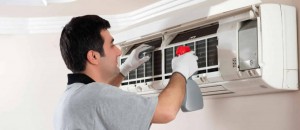
An annual tune-up is the single most effective thing you can do for your system’s reliability. During a professional service, a technician will check refrigerant levels, clean coils and filters, test electrical connections, and pick up early signs of wear — the kind of small issues that turn into a breakdown once a system is under real pressure.
Key Maintenance Steps You Should Follow
Between professional services, there’s a handful of things worth checking yourself:
- Clean or replace filters regularly — a blocked filter restricts airflow and forces your system to work harder, which drives up both wear and your energy bill.
- Check outdoor units for debris — leaves, dust and overgrown plants around an outdoor unit can restrict airflow and reduce efficiency.
- Keep vents and returns unblocked — furniture or curtains covering vents force the system to work harder to reach the same temperature.
- Listen for unusual noises — rattling, grinding or clicking sounds are often an early sign of a part working loose or wearing out.
- Watch your energy bills — a sudden jump with no change in usage often means the system is losing efficiency.
If you’re not confident doing any of this yourself, our team can run through a full maintenance check for you.
Signs Your Air Conditioner Is Overworking
During a heatwave or storm season, a few warning signs are worth watching for:
- The system runs constantly and never seems to reach the set temperature
- Airflow feels weaker than usual from the vents
- The unit is noticeably louder than normal
- Warm patches appear in some rooms while others stay cool
Any of these can mean your system is overworking — often because of a dirty filter, low refrigerant, or a fault that’s about to get worse under sustained heat. Storms and sudden power surges can also trip components or damage outdoor units, so it’s worth a quick visual check after any severe weather event. For general heatwave safety at home — not just for your AC — SA Health’s hot weather guide is a good resource to keep handy during a heatwave.
Can I Do Air Conditioning Repairs Myself?
Basic maintenance — cleaning filters, clearing debris, checking vents — is safe for most homeowners to do themselves. Actual repairs are a different matter. Air conditioners involve pressurised refrigerant and high-voltage electrical components, and attempting a repair yourself can void your warranty or turn a small fault into a costly one. If your system shows any of the warning signs above, it’s worth getting a licensed technician to diagnose it properly rather than guessing.
When to Call in the Experts
If your system needs more than a filter clean, Rite Price’s repair team can diagnose and fix the fault properly — with transparent pricing before any work begins. We’ve been servicing and repairing air conditioners across Adelaide and Melbourne for over 20 years, so whether it’s a routine tune-up or an emergency mid-summer fix, our licensed technicians know exactly what to look for.