For One of the Best Air Conditioning Solutions Here’s 8 Things You Should Have on Your Selection Criteria
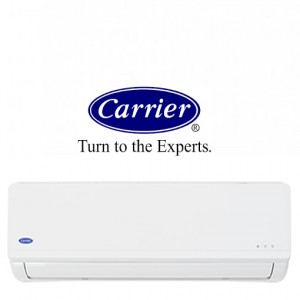 When it comes to picking up a new air conditioner, there are a number of different factors to consider in order to ensure you’re getting one of the best possible air conditioning solutions. The consumer market itself is filled with many types of systems, and understanding the differences between them can be difficult. All will vary in shape/size, cost, features, and performance, so it’s important to do the necessary research and know exactly what you’ll be receiving for your money. To help you with making a decision, here are 8 of the main criteria you should review to get the best possible deal on your new air conditioning system.
The Size of Your Living Space: Air Conditioning Solutions
Your living situation—house, apartment, or room—affects the best system and installation costs for air conditioning.
Understanding system types helps you avoid overspending by matching your needs with appropriate cooling performance.
Air conditioning systems include wall/window units, portable units, split/ductless systems, and central air systems.
Choosing the right system prevents unnecessary energy consumption and helps you save money long term.
For individual rooms or small apartments, consider a window or wall-mounted unit for practical cooling.
These units push cool air inside and vent warm air outdoors through a wall or window.
They’re cost-effective and simple to install but can be bulky and noisy during operation.
Portable units are another alternative, venting hot air through a window with an exhaust hose.
These systems range from $100 to $1000+, based on features and performance levels.
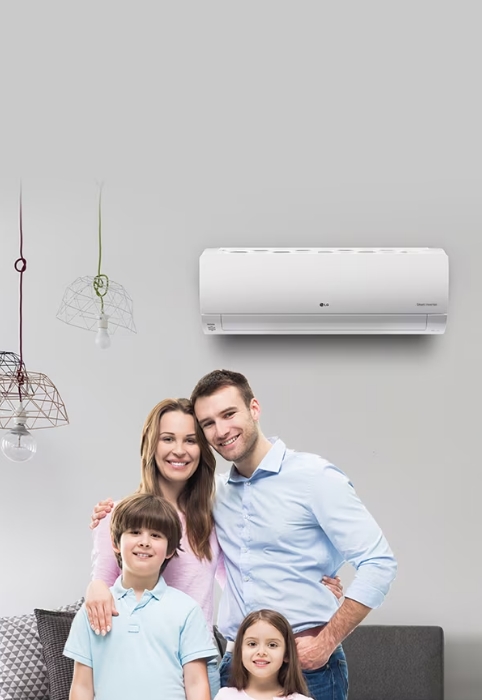
For mid-sized homes, a split/ductless system offers superior performance and better efficiency than portable or mounted options.
Split systems divide air processing into two components—compressor and condenser outside, evaporator inside the room.
Prices typically range between $1000 and $4000, depending on brand and output.
Central air systems suit larger homes needing whole-house cooling with minimal noise and maximum efficiency.
These systems use an outdoor unit and indoor ducts to evenly distribute chilled air throughout the home.
Costs usually range from $1000 to $4000+, based on home size and zone requirements.
Ease of Carrying Out Maintenance and Repairs: Air Conditioning Solutions
Modern air conditioners usually require minimal maintenance if purchased from a reputable brand.
Still, power surges and harsh weather may damage internal parts or disrupt performance unexpectedly.
Always check how easily your chosen system can be maintained or repaired if issues occur.
Newer systems are often simpler to service due to their digital designs and streamlined components.
Amount of Noise Produced
Noise level matters—especially if you’re sensitive to distractions or prefer quiet when working or sleeping.
Mounted and portable units generally produce more noise than other systems.
Split/ductless systems are typically quieter, while central air conditioners offer near-silent operation.
Choose central air if you prioritise quiet performance and want noisy components installed outside your living space.
Level of Humidity Control Provided
Reducing humidity is as essential as lowering room temperature when creating comfort.
Effective humidity control improves air quality and helps reduce stickiness indoors.
Window, portable, and split systems offer basic humidity control depending on runtime and airflow.
Central air systems provide the best humidity regulation due to consistent, high-volume air circulation.
For large homes or humidity-prone spaces, central systems offer the most effective comfort control solution.
Life Expectancy and Warranty
Longevity and warranty protection are vital when comparing units for long-term value.
A high-quality air conditioner should last at least 15 years with routine maintenance.
Warranties protect your investment by covering replacement parts or service repairs as needed.
If the unit lacks warranty information, reconsider your purchase—it’s not worth the risk.
Energy Efficiency is Crucial to Consider
Upfront cost is just one part of the total price of owning an air conditioner.
Monthly energy consumption plays a major role in the long-term cost of cooling your home.
Look for the Energy Efficiency Rating (EER)—a higher EER means better performance and lower electricity bills.
Don’t let a cheap unit raise your power bill unexpectedly.
Choose an efficient system that delivers performance without excessive energy usage.
Cooling Capacity in Relation to Coverage Required
Select an air conditioner with the correct cooling capacity for your space.
Cooling capacity is measured in BTUs (British Thermal Units) and must match room size for optimal comfort.
Small areas (100–300 sq ft) require 5000–6000 BTU for effective cooling.
Medium spaces (250–550 sq ft) need 7000–8200 BTU units.
Larger spaces (350–950 sq ft) demand systems rated between 9800 and 12,500 BTU.
Match BTU output to your space to avoid wasted energy and ensure full comfort.
Ability to Filter Incoming Air: Air Conditioning Solutions
Air quality matters—don’t ignore a system’s filtration capabilities.
Basic filters are standard, but premium systems offer active filtration during the cooling process.
Active filters reduce allergens, dust, odours, and bacteria while circulating clean, cool air.
Review each unit’s specs to confirm its ability to clean air effectively during operation.
Cleaner air means better breathing conditions for you and your family.
Final Thoughts: Find the Best Air Conditioning Adelaide Offers
Getting the best air conditioner means comparing your needs with system features and performance.
Evaluate your living space and choose the system that balances comfort, cost, and long-term reliability.
Consider life expectancy, warranty, energy efficiency, cooling power, and filtration performance.
Proper research leads to smart decisions and lasting comfort in any room.
For more guidance or quotes, visit Rite Price Heating & Cooling.